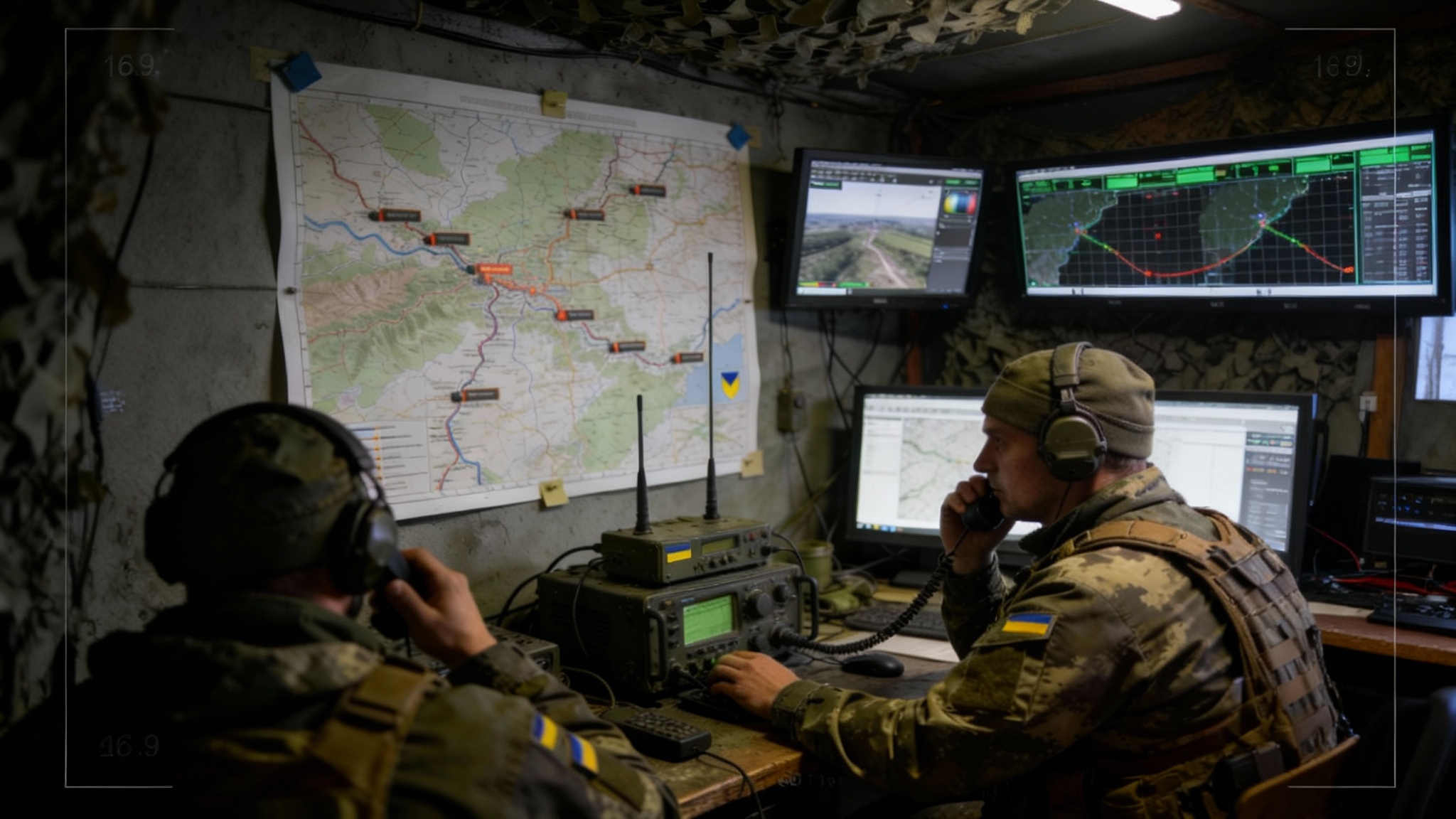
Ukrainian President Volodymyr Zelensky used his New Year address to reject what he characterized as weak peace proposals that would merely prolong the conflict rather than deliver lasting stability. Speaking to a nation entering its fourth year of war, Zelensky acknowledged widespread fatigue among Ukrainians while maintaining that any peace deal must be robust enough to prevent future aggression.
The Ukrainian leader revealed that peace negotiations are approximately 90% complete, but emphasized that the remaining 10% represents the most critical components. Territorial control in eastern Ukraine remains the primary sticking point, with Russian demands fundamentally incompatible with Ukraine's position on sovereignty and territorial integrity.
Zelensky drew historical parallels to previous occupations Ukraine has endured, suggesting that premature or insufficient peace agreements have historically led to prolonged suffering rather than genuine resolution. He specifically criticized Russian proposals as deceptive and called for current battle lines to remain intact as part of any sustainable agreement.
The timing of these statements coincides with growing international discussions about potential diplomatic pathways to end the conflict. However, Zelensky's remarks signal that Ukraine remains unwilling to compromise on what it views as core territorial and sovereignty principles, despite mounting economic and human costs.
The continuation of the Ukraine conflict maintains significant pressure on global commodity markets, particularly energy and agricultural sectors. Wheat futures remain elevated compared to pre-war levels, while European natural gas markets continue to experience volatility tied to geopolitical developments. Currency markets show persistent safe-haven flows, with the US dollar maintaining strength against emerging market currencies during periods of escalated tensions.
Precious metals markets have demonstrated sensitivity to geopolitical risk throughout the conflict. Gold prices typically surge during major military escalations or diplomatic setbacks, while industrial metals like copper and aluminum face supply chain disruptions from the region. These commodity price swings create cascading effects across currency pairs, particularly those involving the euro and currencies of Eastern European nations.
Extended geopolitical conflicts create unique trading environments where traditional market relationships can shift dramatically. Safe-haven flows intensify during escalation periods, while risk-on sentiment emerges during diplomatic progress phases, leading to rapid reversals in currency and commodity positions.
Growth One's algorithmic trading platform addresses these challenges through its focus on pattern recognition across both Forex and metals markets. When geopolitical events trigger correlation surges between previously independent assets, the system's multi-timeframe analysis distinguishes between temporary volatility spikes and genuine regime changes. The platform's three-stage validation process ensures strategies remain robust during extended uncertainty periods, having been backtested against historical crisis scenarios including regional conflicts and supply shock events.
.svg)

