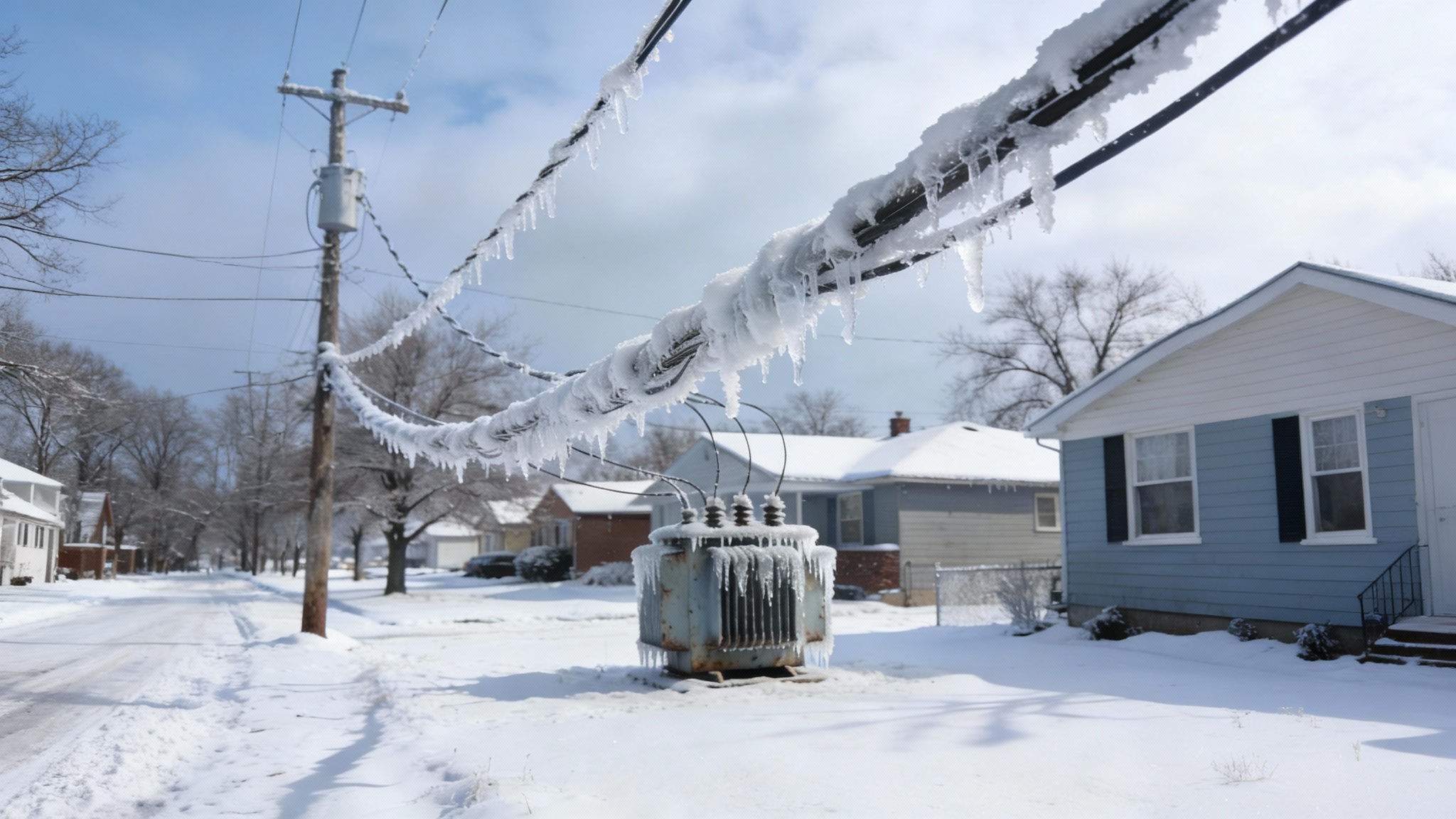
A major winter storm has left over 296,000 customers without electrical power across multiple U.S. regions, with Tennessee and Mississippi bearing the brunt of the outages. The storm system, which swept through the Ohio Valley, mid-South, and New England, knocked out power to 108,648 customers in Tennessee and 100,097 in Mississippi as of Friday morning.
Nashville, Tennessee emerged as one of the hardest-hit metropolitan areas, with Entergy services reporting significant infrastructure damage across their service territories. The utility company has deployed over 930 restoration workers to address the widespread outages, working around the clock to restore service to affected communities.
Recovery efforts have shown progress, with approximately 127,000 customers already having their power restored since the storm's initial impact. However, the remaining outages continue to affect critical infrastructure, businesses, and residential areas across the affected states.
Early estimates suggest this winter storm could rank among the costliest weather events of the year, with projected damages ranging between $105 billion and $115 billion. The substantial economic impact reflects not only the direct costs of infrastructure repair but also business interruptions and supply chain disruptions across the affected regions.
The storm's financial implications extend far beyond utility restoration costs. Manufacturing facilities, distribution centers, and transportation networks in the affected regions face operational disruptions that ripple through regional and national supply chains. The mid-South's role as a logistics hub means delays in freight movement could affect commodity flows nationwide.
Energy markets are already responding to the infrastructure damage and increased heating demand. Natural gas prices have strengthened as utilities ramp up generation to meet elevated consumption, while power grid strain in affected regions creates localized pricing pressures. The timing during winter peak demand periods amplifies these effects across energy commodities.
Currency markets typically show muted direct response to regional weather events, though large-scale disasters can influence Federal Reserve monetary policy considerations if economic disruption proves substantial enough to affect national growth metrics.
Extreme weather events underscore the importance of systematic approaches to market uncertainty. While individual storms rarely move major currency pairs significantly, their cumulative economic impact and potential influence on policy decisions create subtle but meaningful market dynamics that require sophisticated analysis to capture.
Growth One's algorithmic trading systems are designed to navigate such periods of heightened uncertainty across Forex and Metal markets. The platform's multi-timeframe analysis helps distinguish between temporary volatility from regional disruptions and longer-term trends driven by fundamental economic shifts. Through rigorous backtesting that includes multiple crisis scenarios, the system maintains disciplined risk management protocols even when market conditions become unpredictable due to external shocks like severe weather events.
.svg)

