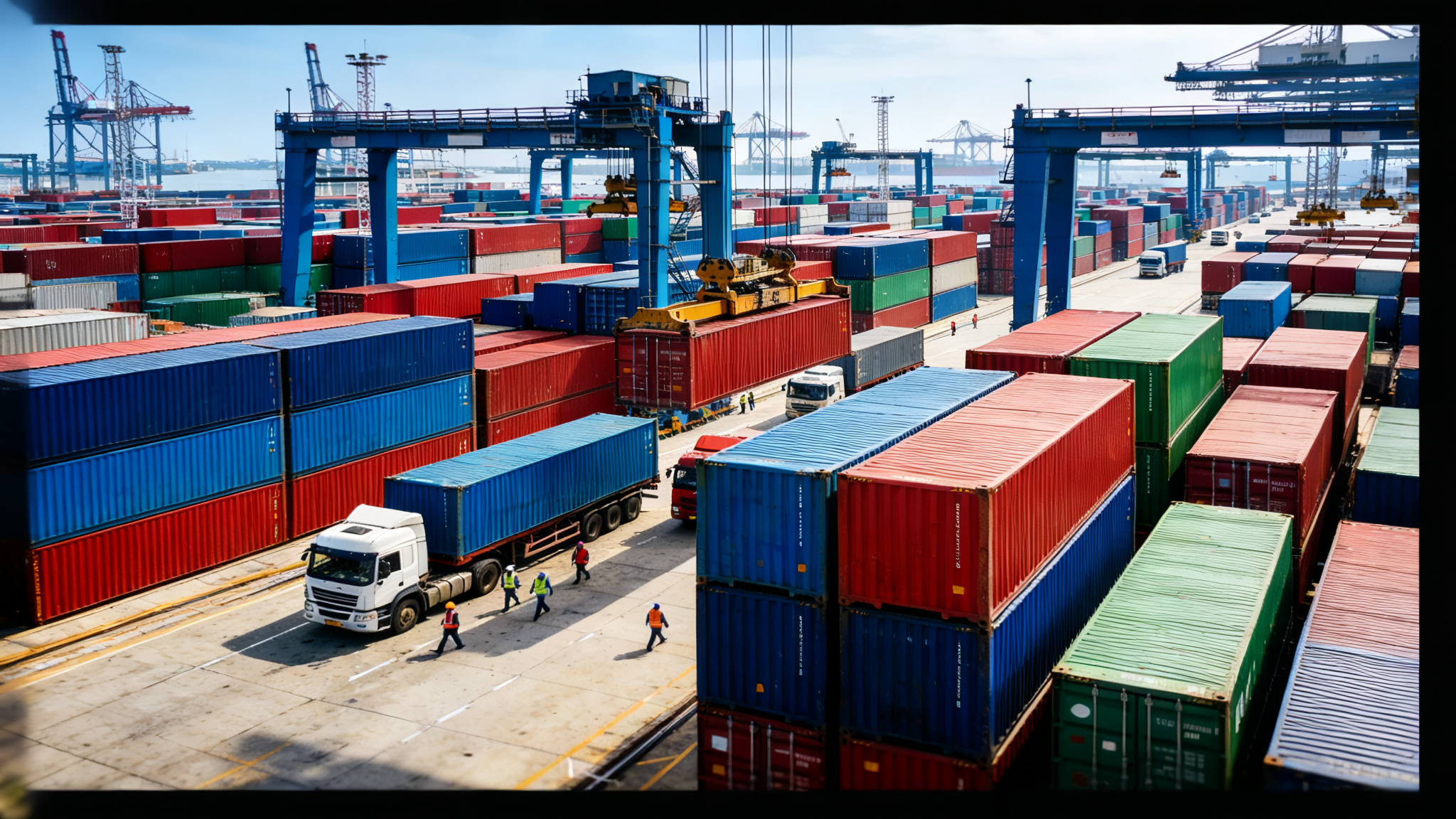
The United States has imposed a 12.5% tariff on imports from India due to the country's failure to implement effective forced labor import prohibitions, according to the US Trade Representative's office. The announcement came during ongoing trade negotiations in New Delhi, where Indian Commerce Ministry officials had not yet provided a response to the tariff proposal.
India joins 53 other countries classified as lacking adequate forced labor import enforcement mechanisms. The tariff rate represents a higher penalty compared to the 10% rate applied to nations with partial compliance measures. The USTR's annual report specifically criticized India's enforcement policies, positioning the gaps as creating competitive disadvantages for American workers and businesses operating under stricter labor standards.
The timing proves particularly significant as both nations continue discussions toward a comprehensive bilateral trade agreement. Sources familiar with the negotiations indicated that India may address the tariff proposal directly within the framework of the broader trade deal currently under consideration. The forced labor provisions represent part of expanding US efforts to enforce labor standards across global supply chains.
Trade data shows India exported approximately $78 billion in goods to the United States in 2023, with textiles, pharmaceuticals, and technology services comprising major categories. The new tariffs could affect pricing across these sectors, though specific product classifications subject to the penalty have not yet been detailed by US trade officials.
Currency markets typically react to trade policy announcements through shifts in bilateral exchange rates and commodity flows. The USD/INR pair could experience volatility as traders assess the potential impact on India's export revenues and the broader trade relationship. Historical patterns suggest that unresolved trade disputes often weaken emerging market currencies relative to the dollar, particularly when export-dependent economies face market access restrictions.
The tariff structure creates immediate cost pressures for US importers of Indian goods, who must now factor higher input costs into pricing decisions. This dynamic often translates into supply chain adjustments and alternative sourcing strategies that can shift demand patterns across related commodity markets. Precious metals markets may also respond if the dispute affects broader risk sentiment toward emerging market investments.
Trade policy uncertainty frequently triggers correlation changes between currency pairs and metal prices. During previous US-India trade tensions, gold has occasionally benefited from safe-haven demand as investors sought alternatives to emerging market exposure. The interconnected nature of modern trade relationships means that bilateral disputes often create ripple effects across multiple asset classes.
Trade disputes create the type of policy-driven volatility that challenges traditional trading approaches. When fundamental relationships between currencies shift due to regulatory changes, systematic trading platforms must distinguish between temporary policy reactions and longer-term structural changes in trade flows.
Growth One's algorithmic trading systems are designed to handle these policy-driven market shifts across Forex and Metal markets. When trade announcements affect currency correlations, the platform's multi-timeframe analysis distinguishes between immediate volatility spikes and underlying trend changes. The three-stage validation process ensures that strategies adapt to new policy environments rather than simply reacting to headline-driven price movements. This approach becomes particularly valuable during periods when traditional currency relationships face disruption from evolving trade policies.
.svg)

