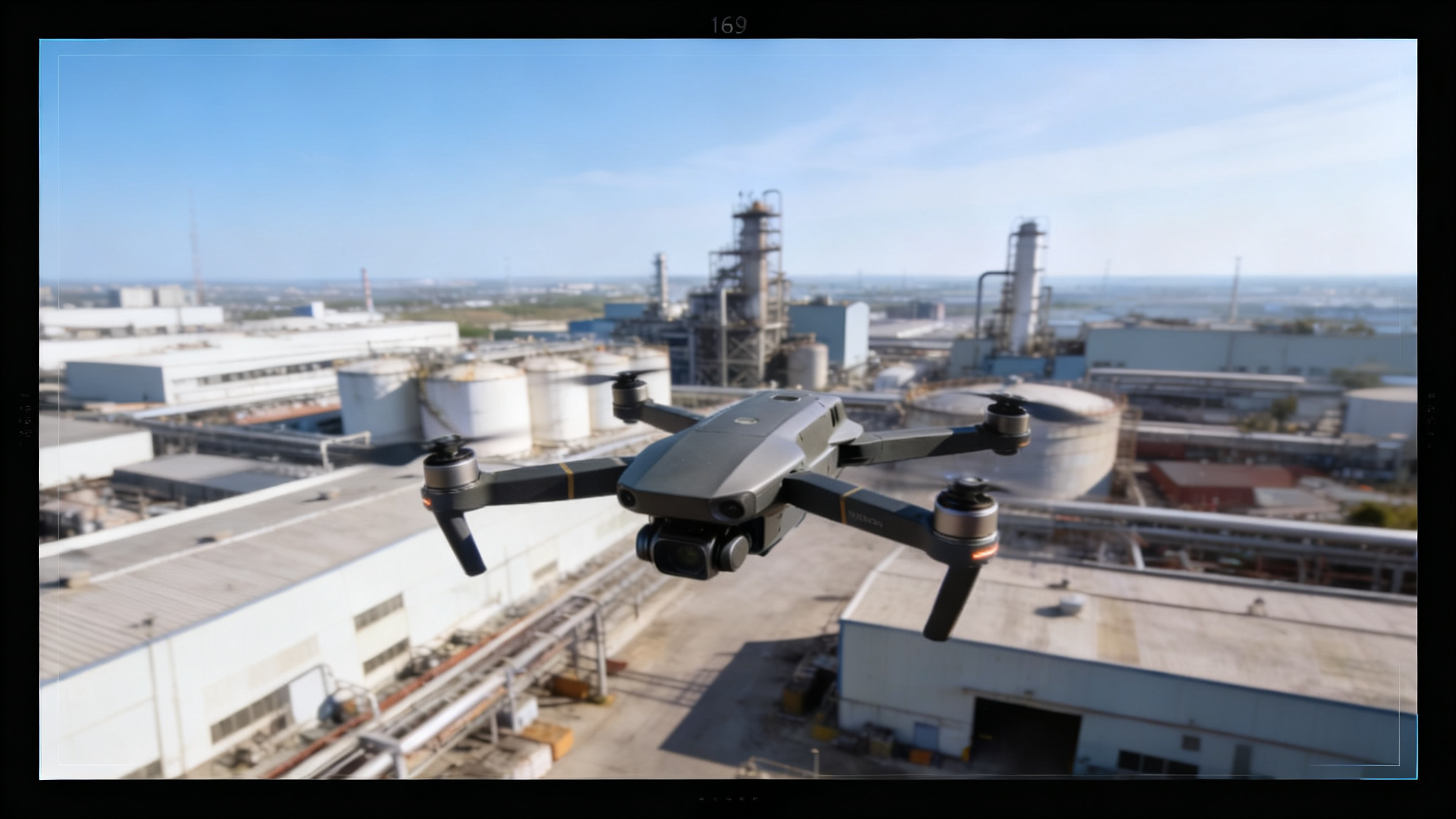
Ukraine has emerged as an unexpected leader in global drone warfare technology, transitioning from a nation dependent on foreign military aid to a provider of sophisticated counter-unmanned aerial systems (UAS) solutions. The Wall Street Journal reports that Ukraine's four-year battlefield experience defending against Iranian drone attacks has created expertise now sought by Western allies and Gulf states facing similar threats.
President Volodymyr Zelensky's recent diplomatic initiatives in the Gulf region have yielded concrete agreements for local drone manufacturing and defense co-production partnerships. These arrangements mark a strategic shift where Ukraine leverages its hard-won combat knowledge to forge new international alliances beyond traditional Western support channels.
The transformation reflects broader geopolitical realignments in defense procurement. European nations are increasingly incorporating Ukrainian-developed technologies into their security architectures, partly driven by concerns over long-term U.S. defense commitments. The European Union has committed $105 billion to support Ukraine's defense capabilities, creating a substantial market for Ukrainian defense innovations.
Meanwhile, Ukraine continues deploying domestically-produced drones against Russian energy infrastructure, targeting facilities that fund Moscow's military operations. These strikes demonstrate the practical application of technologies now attracting international buyers, as Ukraine simultaneously fights and exports its battlefield innovations.
The emergence of Ukraine as a defense technology exporter creates new dynamics in global military procurement markets. Traditional defense contractors face competition from battle-tested Ukrainian innovations developed under combat conditions rather than laboratory settings. This shift toward proven battlefield solutions over theoretical capabilities represents a fundamental change in how nations evaluate defense technologies.
Currency markets are responding to these geopolitical realignments, with the euro strengthening against the dollar as European nations reduce dependence on U.S. defense systems. Gulf currencies have shown increased stability as regional states diversify their military partnerships beyond traditional suppliers. These procurement shifts create sustained demand for euros and regional currencies used in Ukraine defense deals.
The defense technology transformation also affects commodity markets, particularly metals used in drone manufacturing. Aluminum, titanium, and rare earth elements see increased demand as production scales up across multiple countries. Gold prices reflect safe-haven demand amid ongoing geopolitical tensions, while oil markets remain volatile due to continued strikes on energy infrastructure.
Geopolitical developments like Ukraine's defense technology emergence create complex trading environments where traditional correlations break down. Currency pairs that historically moved in predictable patterns may decouple as defense partnerships reshape international relationships. These regime changes require trading systems that can adapt to new correlation patterns rather than relying on historical models.
Growth One's algorithmic trading platform is designed to navigate such geopolitical transitions across Forex and Metal markets. When defense procurement shifts create currency volatility, the system's multi-timeframe analysis distinguishes between short-term political reactions and longer-term structural changes in international trade flows. The platform's three-stage validation process ensures strategies remain effective as geopolitical landscapes evolve, combining rigorous backtesting with real-time market adaptation to manage risk during periods of heightened uncertainty.
.svg)

