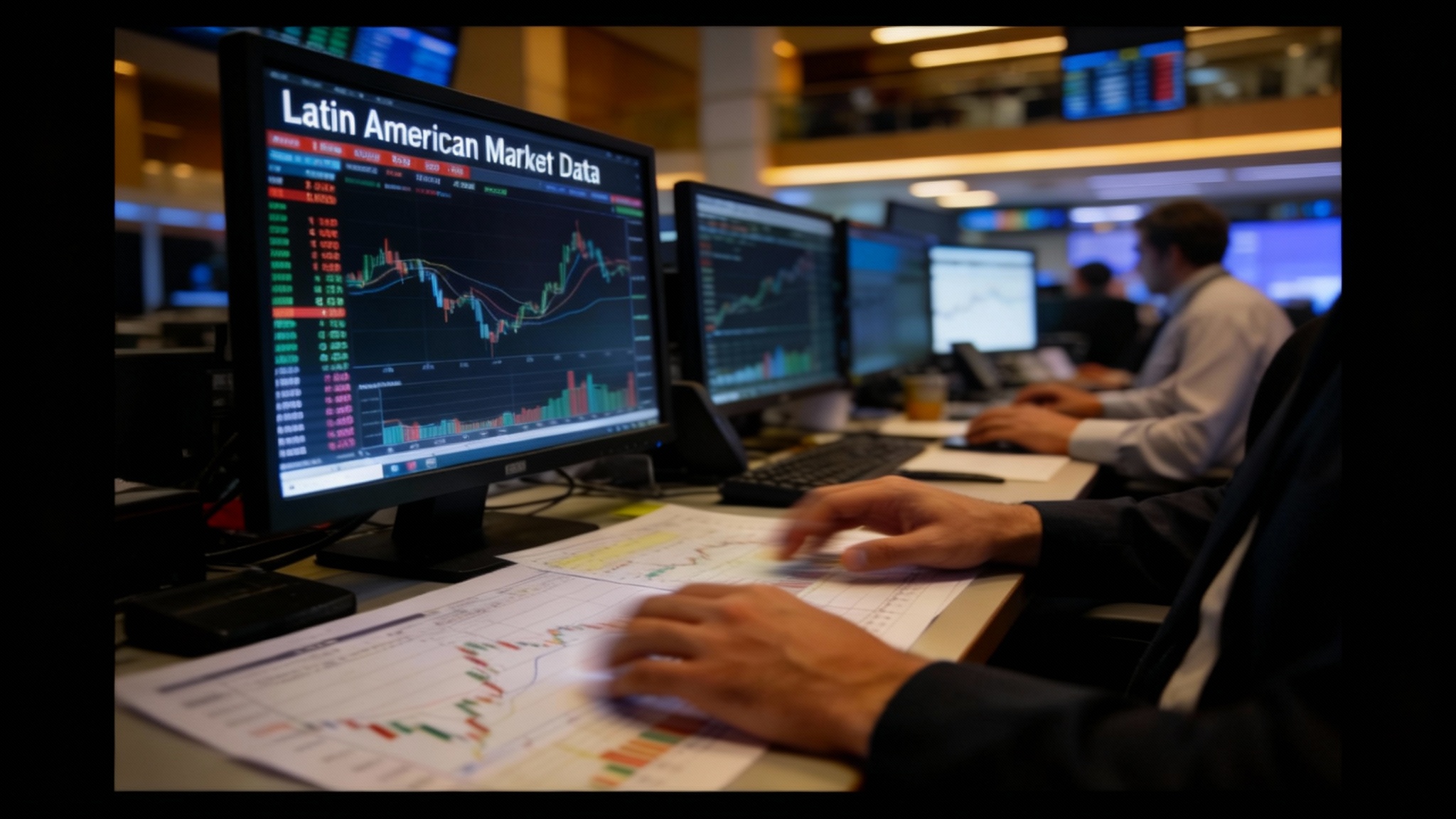
A wave of political realignment across Latin America has triggered significant capital inflows as investors anticipate business-friendly reforms following recent electoral victories by right-wing candidates. The removal of Venezuelan President Nicolás Maduro has created immediate market opportunities, with the country's previously defaulted debt experiencing sharp price increases as traders position for potential economic normalization.
Argentina has emerged as a focal point of investor optimism under President Javier Milei's market-oriented administration. The peso has strengthened against major currencies while Argentine equities have outperformed regional benchmarks by double-digit margins over the past quarter. Ecuador and Chile have similarly benefited from new conservative leadership, with both countries seeing increased foreign direct investment commitments in mining and energy sectors.
Financial institutions across the region have reported surge in cross-border investment flows, with regional currencies gaining ground against the U.S. dollar despite global monetary tightening. Brazilian real, Colombian peso, and Chilean peso have all posted gains as investors anticipate reduced regulatory uncertainty and improved business climates. Resource extraction companies have seen particular interest, with copper and lithium mining operations attracting renewed international capital.
Even countries maintaining leftist leadership have benefited from orthodox monetary policies that have reassured international investors. Colombia, Peru, and Brazil continue to implement disciplined fiscal frameworks while upcoming elections in these nations show polling advantages for center-right candidates, further supporting investor confidence in regional stability.
The political shift has created significant opportunities in Latin American currency markets, where traditional correlations between regional pairs have strengthened as investor sentiment improves across the continent. The Brazilian real has shown particular resilience, benefiting from both domestic policy stability and spillover effects from neighboring countries implementing market reforms.
Currency volatility patterns have shifted notably, with intraday trading ranges narrowing for major regional pairs as political uncertainty diminishes. This environment has created distinct trading opportunities for systematic approaches that can identify and capitalize on changing correlation structures between Latin American currencies and their traditional safe-haven counterparts.
Political transitions in emerging markets create complex trading environments where traditional market relationships can shift rapidly. During periods of policy uncertainty followed by reform implementation, currency correlations often strengthen initially before establishing new long-term patterns as economic fundamentals adjust to changed regulatory frameworks.
Growth One's algorithmic trading platform monitors these correlation changes across major currency pairs including USD/BRL, USD/COP, and USD/CLP, adjusting position sizing as historical relationships evolve. The system's multi-timeframe analysis distinguishes between temporary volatility spikes caused by political news and longer-term trend reversals that follow actual policy implementation. Through comprehensive backtesting that includes previous Latin American political transitions, the platform ensures strategies remain effective during periods of heightened uncertainty while maintaining disciplined risk management protocols throughout emerging market cycles.
.svg)

