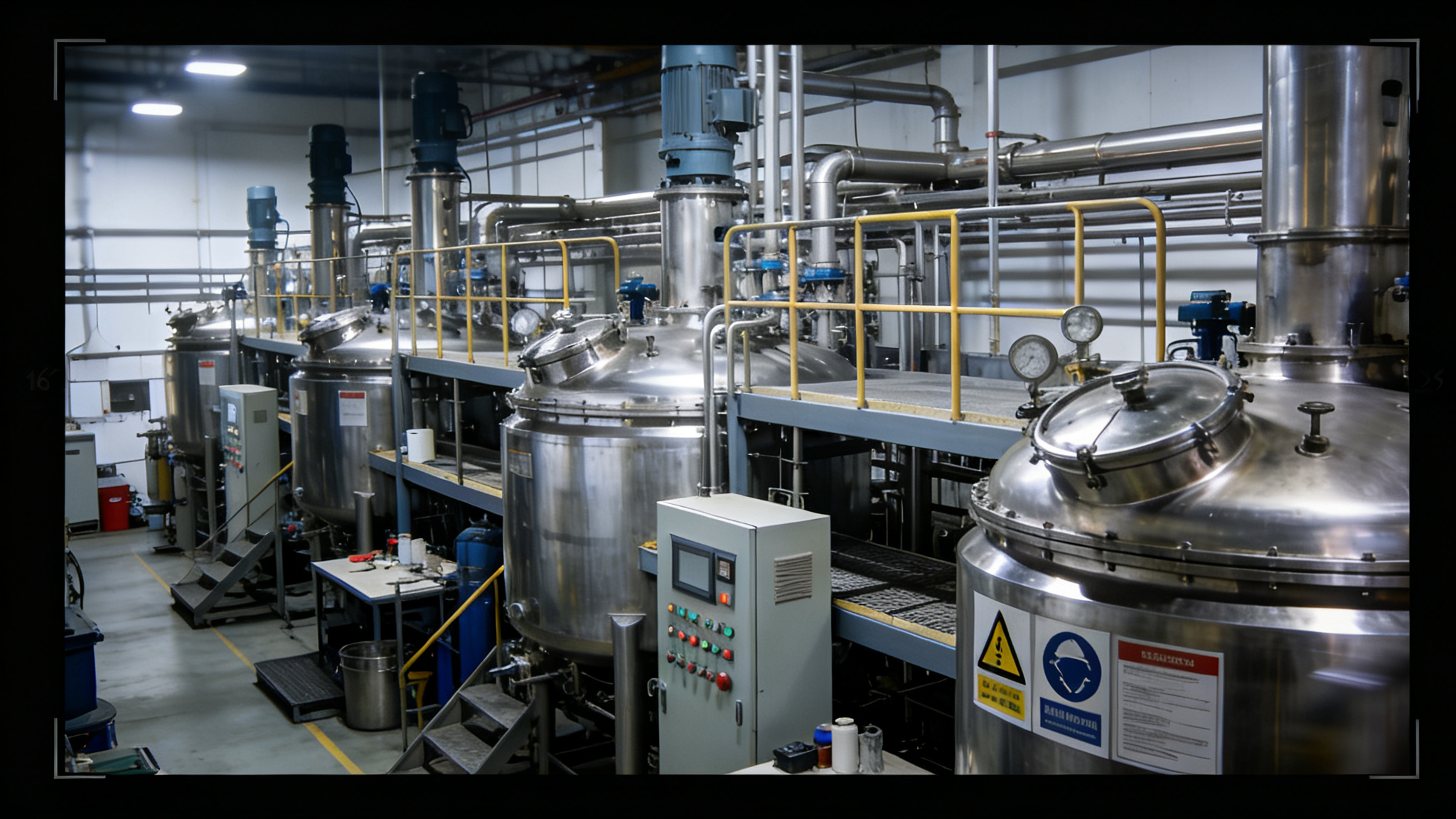
Johnson Matthey Plc announced its acquisition of Cormetech Inc., a U.S.-based manufacturer of Selective Catalytic Reduction (SCR) catalysts, for $360 million in cash. The deal includes potential earn-out payments of up to $100 million based on Cormetech's future performance metrics, with final closing expected by mid-2026 pending regulatory approvals.
Cormetech specializes in emission control technology for industrial applications, particularly SCR catalysts used to reduce nitrogen oxide emissions from power plants and industrial facilities. The company projects revenues of $180 million and EBITDA of $35 million by 2026, representing significant growth from current levels as environmental regulations drive demand for cleaner industrial processes.
Johnson Matthey expects annual synergies of at least $20 million by 2030 through operational efficiencies and cross-selling opportunities. The acquisition is anticipated to be earnings per share accretive within one year, strengthening Johnson Matthey's position in the growing environmental technologies market. The deal expands the company's Clean Air division, which already serves automotive and industrial emission control markets globally.
The transaction reflects broader industry consolidation as companies position for stricter environmental standards. European Union regulations on industrial emissions are tightening, while U.S. Environmental Protection Agency guidelines continue evolving. These regulatory shifts create both compliance costs for industrial operators and growth opportunities for specialized technology providers.
The acquisition highlights the premium valuations commanding the environmental technology sector. At approximately 20 times projected EBITDA, the Cormetech deal reflects investor confidence in emission control demand despite broader industrial uncertainty. Johnson Matthey's shares initially declined 2.3% on acquisition announcement, suggesting investor caution about integration costs and execution risks.
Currency exposure adds complexity to the transaction structure. With the deal priced in dollars for a U.S. target, Johnson Matthey faces potential foreign exchange impact between announcement and closing. Sterling weakness could increase the effective purchase price, while dollar strength might pressure projected synergy values when converted back to British pounds for reporting purposes.
The specialty chemicals sector has seen increased M&A activity as companies seek scale and technological capabilities. Environmental regulations create predictable demand streams, making these businesses attractive acquisition targets despite cyclical industrial markets. However, integration challenges often emerge when combining different operational cultures and customer bases across geographic boundaries.
Cross-border acquisitions create immediate currency hedging requirements that extend beyond the transaction itself. Johnson Matthey must now manage ongoing dollar-denominated revenue streams from Cormetech operations, affecting the company's overall currency profile. This shift becomes particularly relevant given the specialized metals used in catalyst manufacturing, including platinum group metals where prices fluctuate significantly.
Growth One's algorithmic trading systems are designed to identify these types of cross-market relationships between currency movements and commodity price shifts. When companies expand their geographic footprint through acquisitions, it often creates new correlations between their stock performance, relevant currency pairs, and underlying commodity exposure. The platform's dual focus on Forex and Metals markets allows it to recognize how industrial demand patterns influence both precious metal prices and currency flows, particularly when major transactions alter company exposure profiles. These systematic approaches help identify opportunities as market participants adjust to changing corporate structures and their broader economic implications.
.svg)

