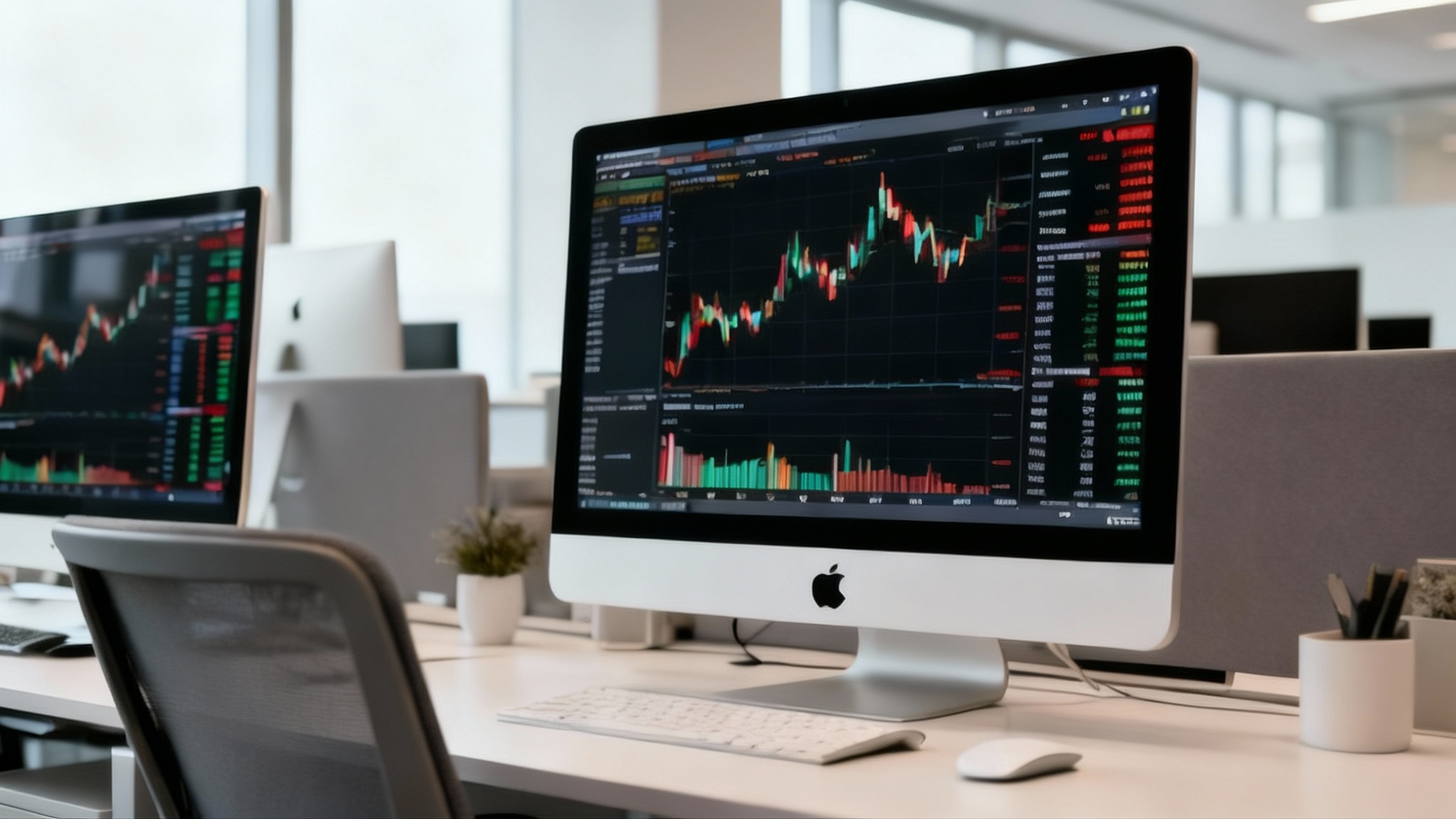
Goldman Sachs reaffirmed its Buy rating on Apple Inc. with a $320 price target despite mounting evidence of App Store growth deceleration. The investment bank's decision comes as App Store spending growth slowed to 6% year-over-year in November 2025, down from 9% in October, marking the latest sign of pressure on Apple's critical services division.
The slowdown stems primarily from weakness in the Games category, which dropped 2% and represents 44% of total App Store spending. This decline raises concerns about potential disruptions from alternative payment methods and regulatory changes that could reduce Apple's commission revenues. The gaming weakness is particularly significant given its outsized contribution to the App Store's overall financial performance.
Despite the App Store headwinds, Goldman analysts pointed to offsetting strength in other service categories that should help Apple meet its Services revenue guidance. The company's Services division posted 15% year-over-year growth in the fourth quarter of fiscal 2025, demonstrating resilience beyond the App Store ecosystem. This broader services momentum includes areas like iCloud, Apple Music, and AppleCare.
Apple faces continuing regulatory scrutiny across multiple jurisdictions. German authorities are currently reviewing the company's App Tracking Transparency Framework, while potential class action lawsuits in the European Union challenge App Store commission structures. These regulatory pressures add uncertainty to future revenue streams from the services business.
The mixed signals from Apple highlight the complexity facing large-cap technology stocks as they navigate regulatory pressure while maintaining growth. The 6.1% projected increase in iPhone 17 shipments suggests hardware demand remains robust, but services growth deceleration could pressure margins and overall revenue expansion. This divergence creates volatility in Apple's stock price as investors weigh near-term service headwinds against longer-term iPhone cycle strength.
Currency markets often respond to major technology earnings and guidance revisions, particularly when companies like Apple represent significant portions of major indices. The dollar's performance against other major currencies can be influenced by shifts in U.S. technology sector sentiment, especially when combined with broader market rotation patterns. Precious metals markets may see increased interest during periods of technology sector uncertainty as investors seek alternative stores of value.
Technology sector volatility creates complex correlation patterns across financial markets that require sophisticated analytical approaches. When major companies like Apple face regulatory uncertainty, traditional relationships between asset classes can shift unpredictably. This is where systematic trading approaches demonstrate their value through continuous market monitoring rather than static position-taking.
Growth One's algorithmic trading systems are designed to identify these correlation breakdowns as they develop across Forex and Metal markets. The platform's three-stage validation process—research, backtesting, and live market testing—ensures that strategies perform during periods of sector rotation and regulatory uncertainty. Rather than relying on technology sector predictions, the system focuses on how currency pairs and precious metals respond to these broader market shifts, adapting position sizing when traditional relationships become unreliable.
.svg)

