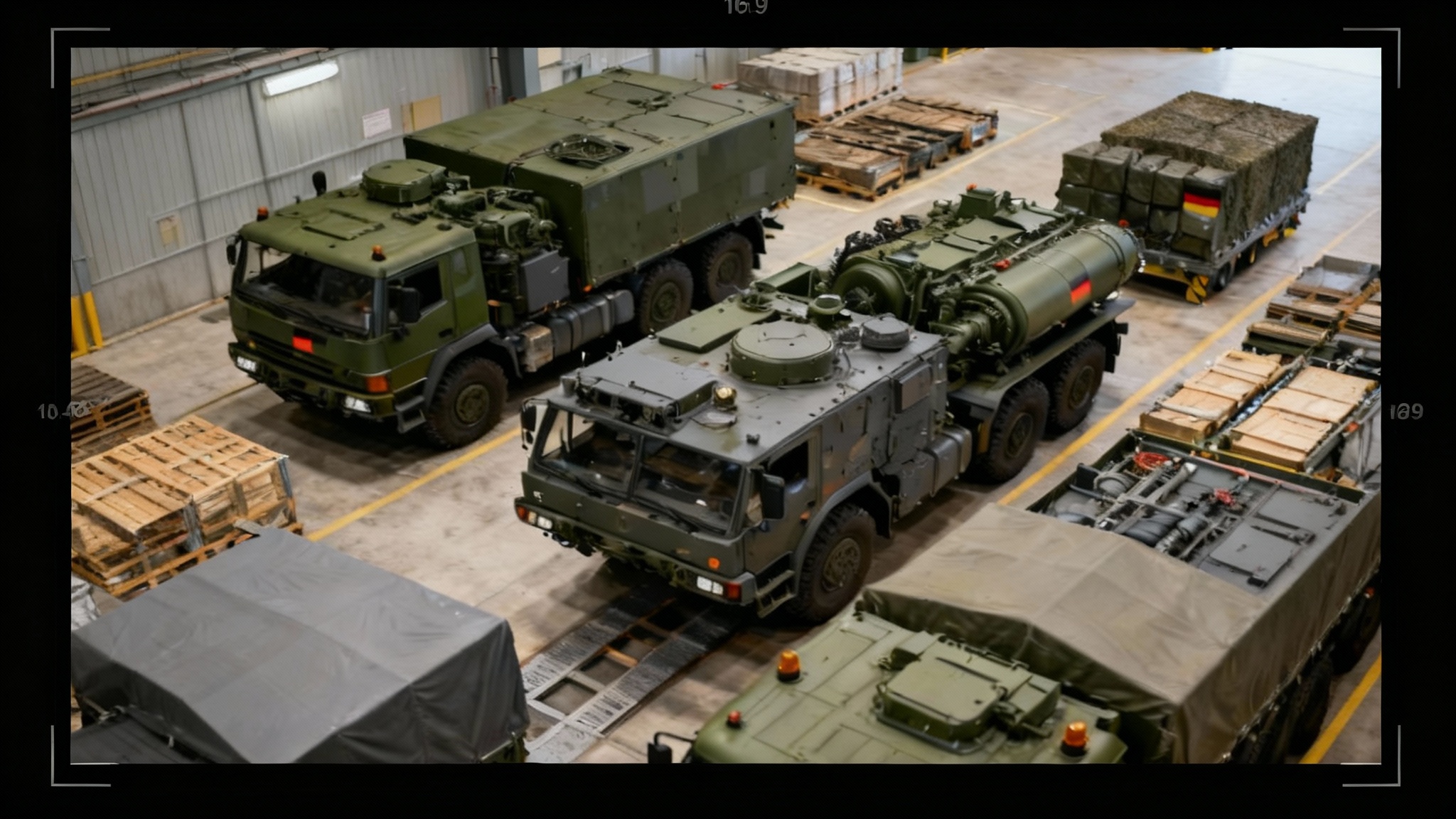
Germany's government has approved a comprehensive military procurement package worth €2.9 billion ($3.4 billion), marking one of the largest defense spending commitments since the country announced its military modernization drive following Russia's invasion of Ukraine. The package encompasses 11 separate contracts covering advanced weaponry, surveillance equipment, and defensive systems.
The procurement initiative prioritizes domestic manufacturers, reflecting Germany's strategic push to strengthen both military capabilities and indigenous defense production capacity. Key components include next-generation drone systems, infantry rifles, and missile defense platforms. The contracts represent a significant boost for German defense companies, which have seen increased demand amid heightened security concerns across Europe.
This spending package forms part of Germany's broader €100 billion defense modernization fund, established in 2022 to address decades of military underinvestment. The Bundeswehr has faced criticism for equipment shortages and maintenance backlogs, with recent NATO assessments highlighting capability gaps that the new procurement aims to address.
German Defense Minister Boris Pistorius emphasized the strategic importance of maintaining domestic production capabilities, particularly as European nations reassess defense supply chain vulnerabilities exposed by recent geopolitical tensions. The contracts are expected to support thousands of jobs across Germany's defense industrial base while reducing reliance on foreign suppliers for critical military equipment.
Defense spending surges typically trigger currency strength as government expenditure signals economic confidence and fiscal commitment. The euro gained modestly against major trading partners following the announcement, with investors viewing the procurement package as evidence of Germany's resolve to meet NATO spending targets. However, the broader implications extend beyond immediate currency movements.
Increased defense spending often correlates with inflationary pressures, particularly when domestic manufacturers face sudden demand spikes. This dynamic could influence European Central Bank policy considerations, especially as the ECB continues monitoring inflation trends across the eurozone. The substantial government expenditure may also affect German bond yields and broader European debt markets.
Precious metals markets showed mixed reactions, with gold maintaining stability while industrial metals like copper and aluminum saw slight upticks. Defense manufacturing requires significant raw material inputs, and sustained military spending programs across Europe could support demand for these commodities over the medium term.
Government spending announcements create complex cross-market relationships that require sophisticated analysis to navigate effectively. Currency pairs involving the euro often experience volatility spikes when major fiscal policy shifts occur, followed by trend adjustments as markets digest longer-term implications.
Growth One's algorithmic trading systems are designed to identify these multi-layered market responses across both Forex and precious metals markets. When geopolitical events drive government spending decisions, the platform's correlation monitoring detects relationships between currency strength, inflation expectations, and commodity demand patterns. The three-stage validation process ensures strategies remain effective whether markets are responding to immediate news flow or adjusting to structural policy changes. Explore how Growth One's systematic approach adapts to geopolitical market drivers.
.svg)

