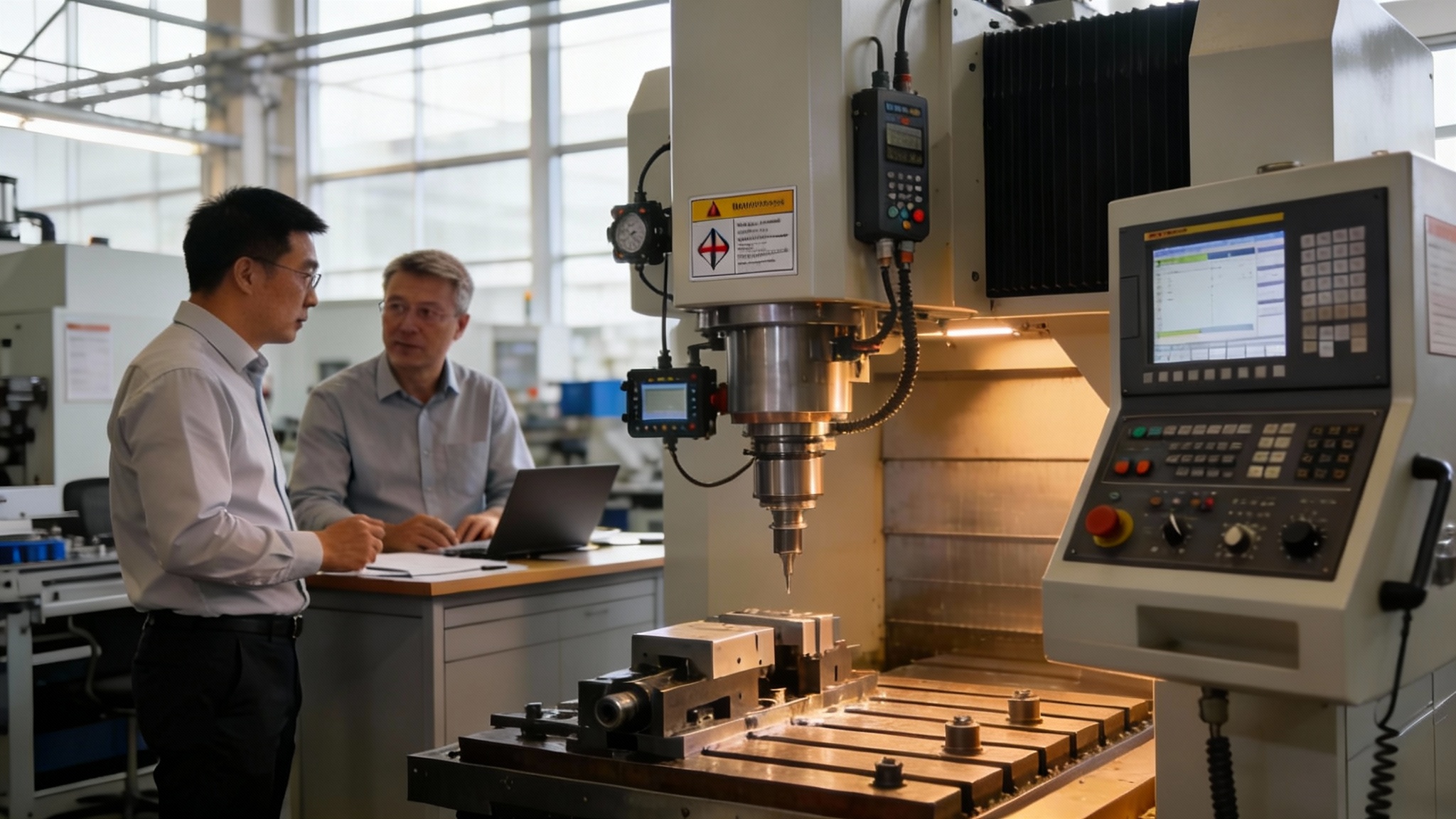
German companies dramatically increased their investments in China during 2025, pouring over 7 billion euros into the world's second-largest economy. This represents a 55.5% surge from 2024 levels, marking one of the largest year-over-year increases in German foreign direct investment on record. The IW German Economic Institute attributed this capital flow directly to concerns over escalating US-China trade tensions under the Trump administration.
Major German industrial giants led the investment wave, with chemical manufacturer BASF and automotive leader Volkswagen significantly expanding their Chinese operations. BASF announced plans for additional production facilities in Shanghai and Guangdong provinces, while Volkswagen committed to localizing more of its electric vehicle manufacturing within China. These moves represent a strategic shift toward reducing supply chain vulnerabilities and maintaining market access regardless of geopolitical developments.
The investment surge comes as Germany recalibrated its trade relationships following months of uncertainty around potential US export restrictions and tariff policies. China regained its position as Germany's top trading partner in 2025, with bilateral trade volumes reaching new highs despite global economic headwinds. German exports to China grew 12% year-over-year, while imports from China increased 8%, reflecting deepening economic integration between the two nations.
European Union data shows that Germany accounted for nearly 40% of total EU investment flows into China during 2025, significantly outpacing France and Italy. The German government, while maintaining official neutrality on trade disputes, has quietly supported increased business ties with China through updated bilateral investment treaties and expanded export credit guarantees.
The massive capital deployment into China creates significant ripple effects across currency markets, particularly for the euro-yuan exchange rate. Large-scale German investments require substantial currency conversions, creating sustained demand for Chinese yuan while potentially pressuring the euro. This dynamic becomes more pronounced when companies like BASF and Volkswagen repatriate profits, creating cyclical currency flows that sophisticated traders monitor closely.
The investment trend also impacts commodity markets, as German industrial expansion in China drives demand for raw materials and precious metals used in manufacturing. China's role as the world's largest gold consumer means increased German industrial activity there can influence global gold prices through secondary demand channels. When European companies build manufacturing capacity in China, they often source materials locally, altering traditional trade flows and creating new arbitrage opportunities.
Market volatility around trade announcements has created distinct patterns in EUR/USD and USD/CNY pairs, with correlation breakdowns occurring when trade tensions escalate. Traditional currency relationships become unreliable during geopolitical stress periods, as capital flows shift rapidly between safe-haven assets and growth-oriented investments.
These types of large-scale capital movements and geopolitical shifts create the exact market conditions where systematic trading approaches prove most valuable. When fundamental relationships between currencies and commodities shift due to policy changes, traditional analysis often fails to capture the speed and magnitude of market adjustments.
Growth One's algorithmic trading systems are designed to identify and adapt to these correlation breakdowns across both Forex and Metal markets. When German investment flows create unusual pressure on EUR/CNY cross rates, or when China's increased industrial activity affects precious metals demand, the platform's multi-timeframe analysis distinguishes between temporary volatility and longer-term structural shifts. The three-stage validation process ensures that strategies perform during geopolitical uncertainty, having been backtested against similar periods of trade tension and capital flight. Rather than relying on fixed algorithms, the system adapts position sizing and risk management protocols as market conditions evolve, providing a disciplined approach to navigating the complex interplay between trade policy and financial markets.
.svg)

