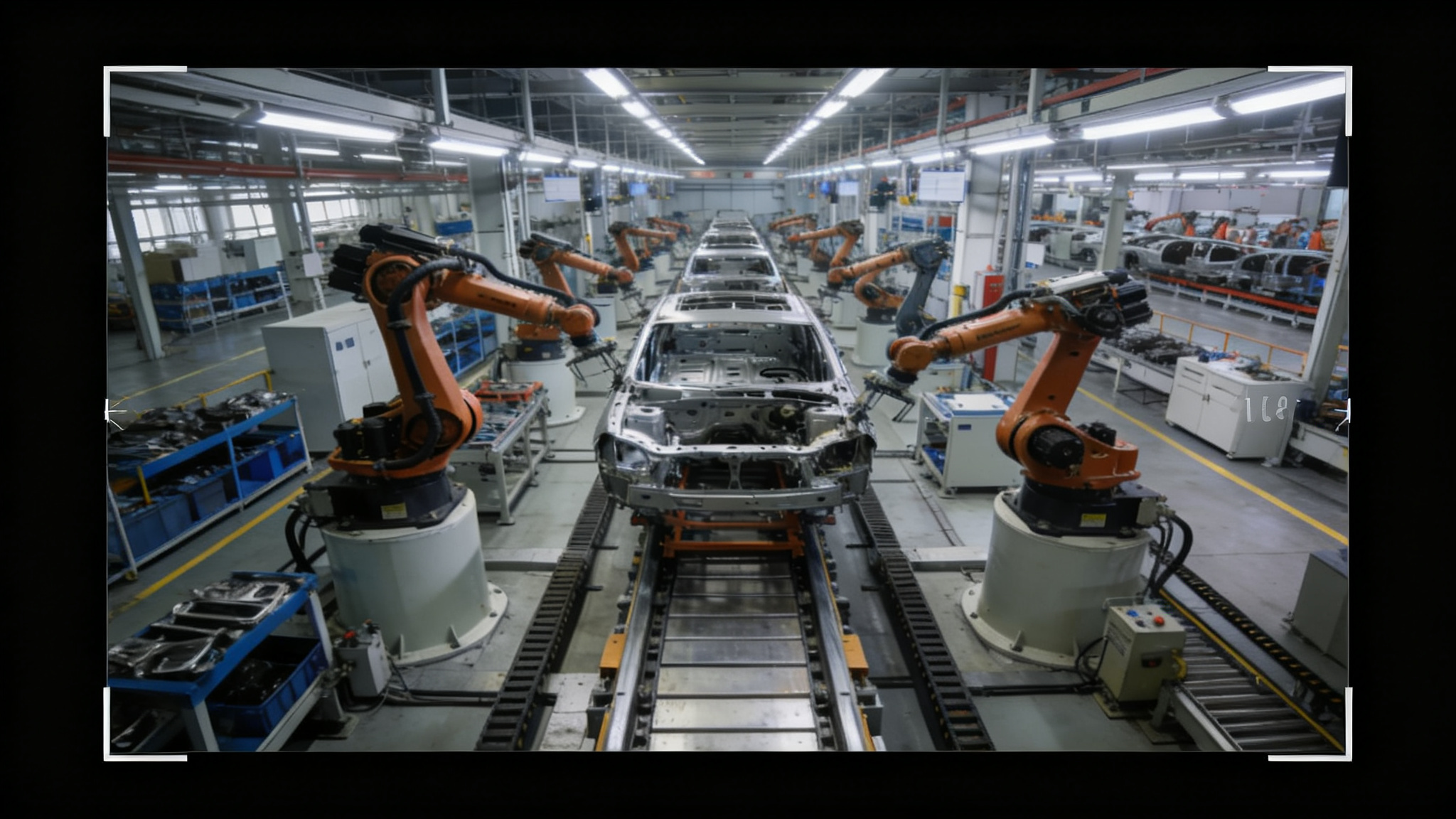
Zhejiang Geely Holding Group announced a comprehensive restructuring plan aimed at consolidating operations under its Hong Kong-listed subsidiary, Geely Automobile Holdings. Chairman Li Shufu revealed the company's intention to restructure, merge, or shut down certain entities to improve operational efficiency and reduce redundancy across the automotive conglomerate.
The restructuring centers on the "One Geely" strategy, positioning Geely Automobile Holdings as the core platform for the company's global operations. Li emphasized the need to eliminate overlapping functions within Geely Auto Group while maintaining the company's commitment to long-term safety standards and international partnerships. The move comes as Geely seeks to streamline its complex corporate structure that has evolved through years of acquisitions and joint ventures.
Geely's international footprint includes strategic collaborations with Volvo Cars and Renault, partnerships that have strengthened its technological capabilities and global market presence. The company has set an ambitious target to become one of the world's top five car manufacturers by 2030, requiring significant operational improvements and resource optimization. Li highlighted that high manufacturing standards would remain a priority throughout the restructuring process.
The consolidation reflects broader trends in the automotive industry where manufacturers are simplifying operations to compete more effectively in an increasingly complex market. Chinese automakers face particular pressure to optimize resources as they expand internationally while managing domestic market competition and evolving regulatory requirements.
Corporate restructuring announcements often create volatility in currency markets, particularly when they involve major multinational companies with significant cross-border operations. Geely's consolidation under its Hong Kong-listed entity could influence capital flows between mainland China and Hong Kong, affecting the CNY/HKD exchange rate and related currency pairs. Investors typically monitor such structural changes for signals about corporate confidence and long-term strategic direction.
The automotive sector's ongoing transformation adds another layer of complexity to trading dynamics. As companies like Geely streamline operations to compete globally, currency exposure patterns shift. Manufacturing consolidation decisions can impact supply chain financing, international payment flows, and hedging requirements across multiple jurisdictions. These operational changes create both short-term volatility and longer-term trend shifts in related currency markets.
Metal markets also respond to automotive industry developments, given the sector's significant consumption of steel, aluminum, and precious metals for electronic components. Geely's efficiency drive could influence procurement patterns and supply chain optimization, potentially affecting regional metal demand and pricing dynamics across Asian markets.
Corporate restructuring events create market conditions where traditional correlation patterns between currencies and commodities can shift unexpectedly. When major companies announce operational changes, algorithmic trading systems must differentiate between temporary volatility spikes and genuine trend reversals that reflect changing business fundamentals.
Growth One's algorithmic trading platform addresses these scenarios through its three-stage validation process that combines research analysis with backtesting across multiple market cycles, including periods of significant corporate and regulatory change. The system monitors correlation breakdowns between Asian currency pairs and metal prices when major regional companies announce strategic shifts. Rather than relying on rigid rules, the platform adapts position sizing based on real-time market conditions while maintaining disciplined risk management during periods of structural uncertainty.
.svg)

