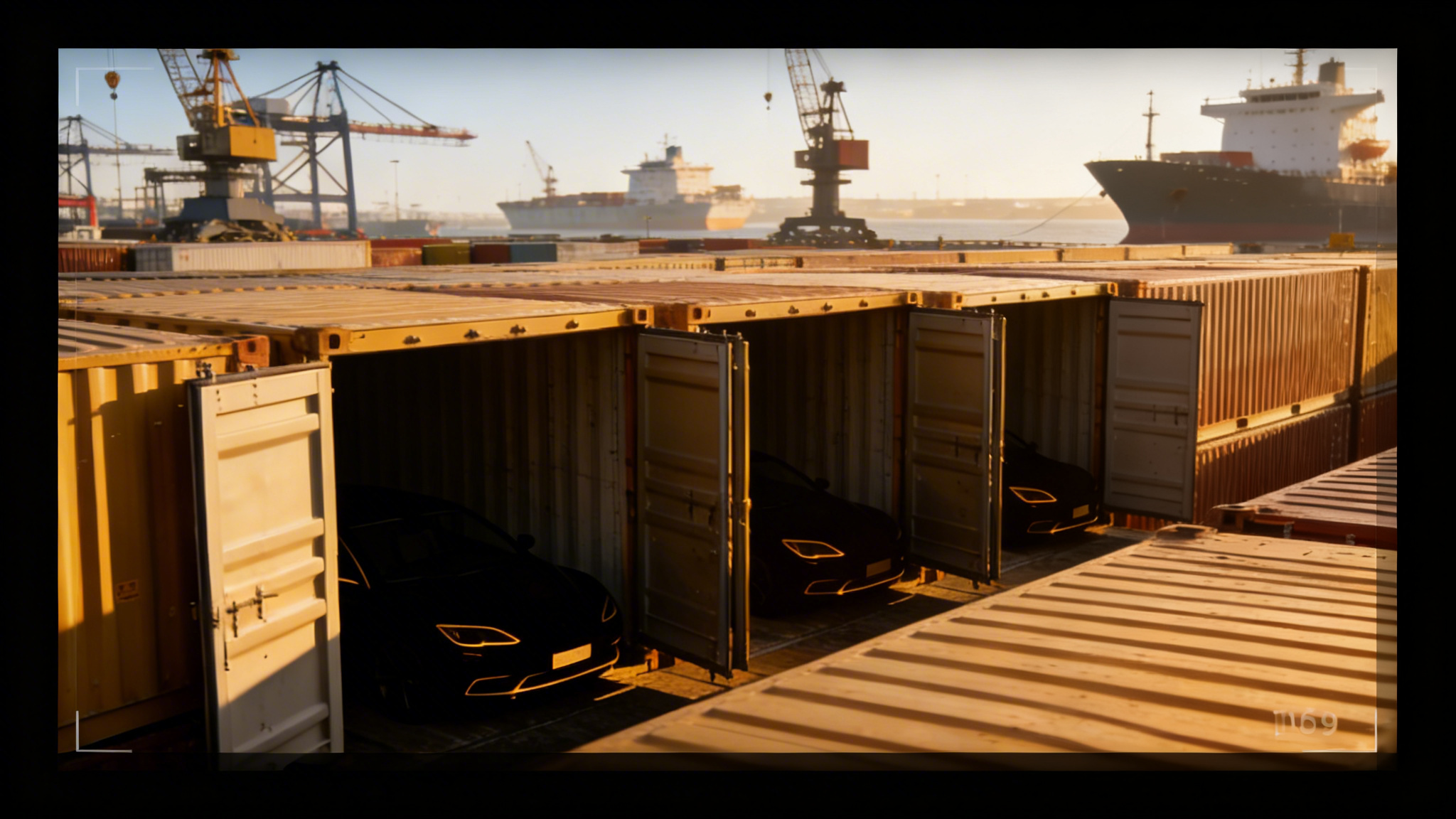
Tens of thousands of foreign automobiles are reaching Russian consumers through Chinese intermediaries, effectively bypassing international sanctions imposed following Russia's invasion of Ukraine. Major automotive brands including Toyota and Mazda are appearing in Russian showrooms despite official company prohibitions on direct sales to the country.
Data from automotive research firm Autostat reveals the scale of this gray market operation. Of approximately 130,000 vehicles sold in Russia in 2025, nearly half originated from China. Many of these cars are classified as "used" vehicles to circumvent manufacturer restrictions, even when they are effectively new models being exported through unofficial channels.
The trade has expanded dramatically since early 2022, when Western automakers began implementing sanctions-related sales restrictions. Chinese-registered vehicles are increasingly appearing in Russian registration databases, indicating a sophisticated network of intermediaries operating between the two countries. These middlemen purchase vehicles in China and arrange transport to Russia, often without the knowledge or approval of the original manufacturers.
Major automakers face significant challenges in monitoring and controlling these unauthorized exports. Company representatives acknowledge the difficulty of tracking vehicles once they enter secondary markets, particularly when intermediaries operate through informal networks that span multiple jurisdictions. The automotive industry's complex supply chains make enforcement particularly challenging.
This gray market activity highlights the resilience of global trade networks even under international sanctions. For currency markets, these developments affect the ruble's stability by maintaining import demand that might otherwise disappear. The yuan has strengthened against the ruble as Chinese intermediaries demand payment in their domestic currency, creating new cross-border payment flows.
The automotive sector's sanctions circumvention also impacts precious metals markets. Automotive manufacturing requires significant quantities of palladium and platinum for catalytic converters. As gray market vehicle imports maintain Russian automotive demand, it sustains indirect demand for these metals, even as direct Western supply chains remain severed.
Volatility in emerging market currencies has increased as sanctions enforcement becomes more complex. Traditional correlation patterns between developed and emerging market currencies are shifting as alternative trade routes create new economic relationships. These changes affect how currency pairs respond to geopolitical developments.
Geopolitical events like sanctions circumvention create correlation surges where previously independent currency pairs begin moving in lockstep. These regime changes require trading systems that can detect when historical relationships break down and adapt positioning accordingly.
Growth One's algorithmic trading platform addresses these challenges through its three-stage validation process that includes multiple geopolitical stress periods in backtesting. When sanctions create new trade routes between countries like Russia and China, the system monitors how these developments affect currency correlations across major pairs including USD/CNY and EUR/RUB. The platform's dual focus on Forex and precious metals markets allows it to identify cross-market relationships as they develop, particularly when automotive demand shifts affect palladium and platinum pricing while simultaneously influencing currency flows between sanctioned and non-sanctioned economies.
.svg)

