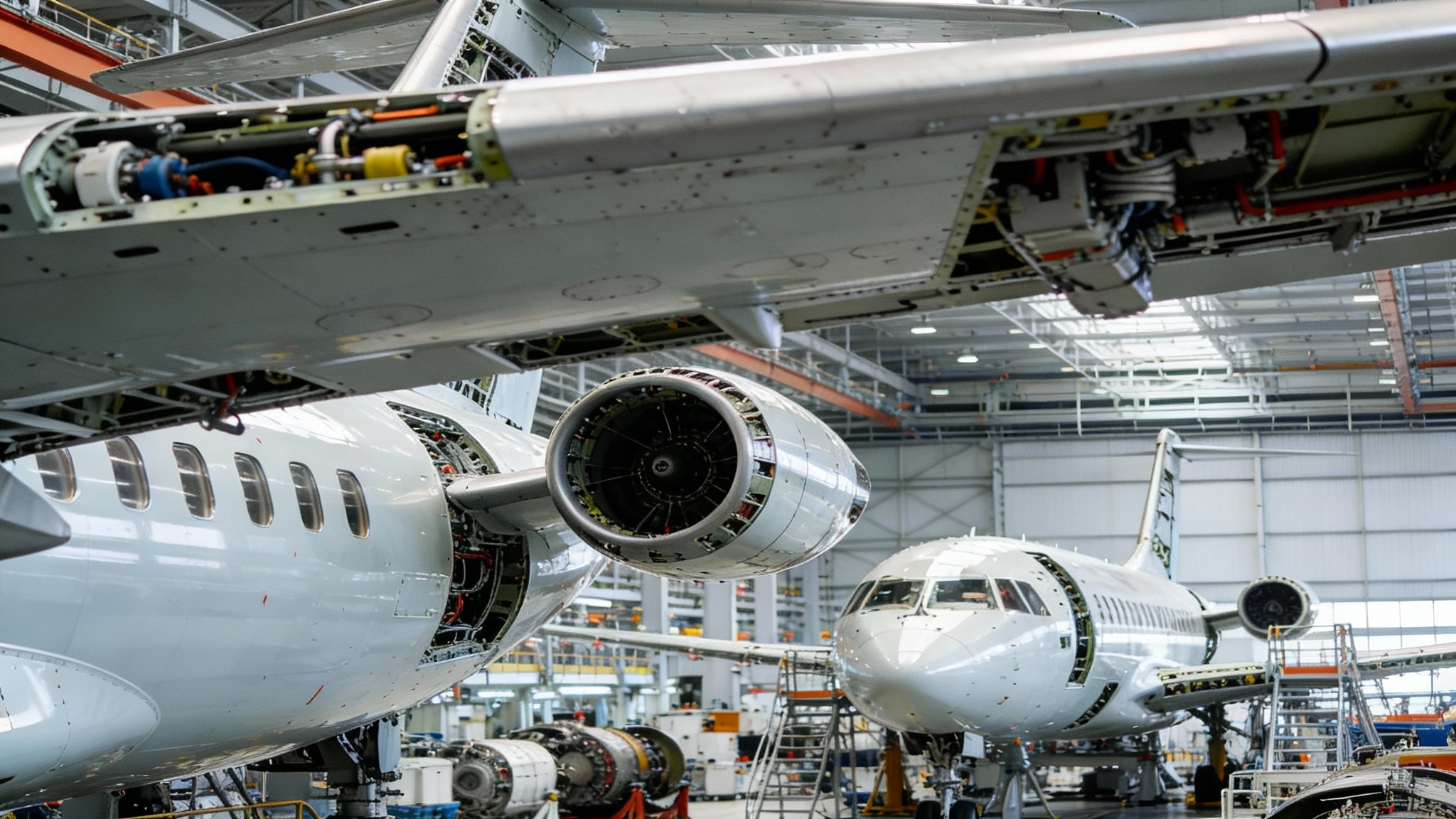
Embraer announced plans to ramp up jet deliveries to 100 units annually within the next two years, a significant increase from the 78 aircraft delivered in 2024. CEO Arjan Meijer expressed confidence that the company could exceed this production target, citing a strong influx of new orders and recovering airline demand following the COVID-19 pandemic downturn.
The São Paulo-based manufacturer achieved notable success with its E2 series regional jets last year, quadrupling sales in this segment and outpacing Airbus's competing A220 aircraft. This performance comes as airlines worldwide resume fleet modernization programs that were largely postponed during the pandemic years, creating substantial pent-up demand for new aircraft across multiple categories.
Despite ongoing geopolitical challenges affecting global supply chains, Meijer noted improvements in component availability and logistics stability. However, he emphasized a cautious approach toward new aircraft development programs, preferring to focus on evolving technologies while awaiting further normalization of supply chain conditions. Industry reports have suggested potential assembly operations in India, though the CEO declined to provide specific details on international expansion plans.
The production surge reflects broader trends in the aerospace sector, where manufacturers are racing to meet revitalized demand while managing persistent supply chain constraints. Regional aircraft like Embraer's E2 series have proven particularly attractive to airlines seeking fuel-efficient options for domestic and short-haul international routes, especially as passenger traffic patterns continue evolving post-pandemic.
Embraer's production expansion signals broader industrial recovery patterns that ripple through multiple financial markets. The Brazilian real typically responds to positive corporate developments from major domestic manufacturers, particularly when export revenues are involved. Increased aircraft production also drives demand for specialized metals including aluminum, titanium, and rare earth elements used in modern jet engines and avionics systems.
Supply chain normalization in aerospace manufacturing often correlates with reduced volatility in industrial metal prices. As production schedules become more predictable, commodity demand patterns stabilize, creating opportunities for systematic trading approaches that can identify these longer-term trend shifts before they fully materialize in pricing.
The aviation sector's recovery also influences currency dynamics, particularly for emerging market currencies like the Brazilian real when domestic manufacturers secure significant international contracts. These industrial announcements can create sustained directional moves in currency pairs that extend beyond initial market reactions.
Industrial recovery stories like Embraer's production surge create multi-timeframe trading opportunities that extend across both currency and metals markets. When major manufacturers announce capacity expansions, the implications unfold over quarters rather than days, requiring systematic approaches that can capture these longer-term directional moves while managing shorter-term volatility.
Growth One's algorithmic trading platform is designed to identify these cross-market relationships as they develop. Operating in both Forex and Metal markets, the system can detect when industrial announcements create sustained demand patterns for specific commodities while simultaneously influencing currency strength. The platform's multi-timeframe analysis distinguishes between immediate market reactions and underlying trend shifts that often follow major production announcements. Through its three-stage validation process of research, backtesting, and live market testing, Growth One ensures that these industrial recovery patterns translate effectively from theoretical models to real market conditions.
.svg)

