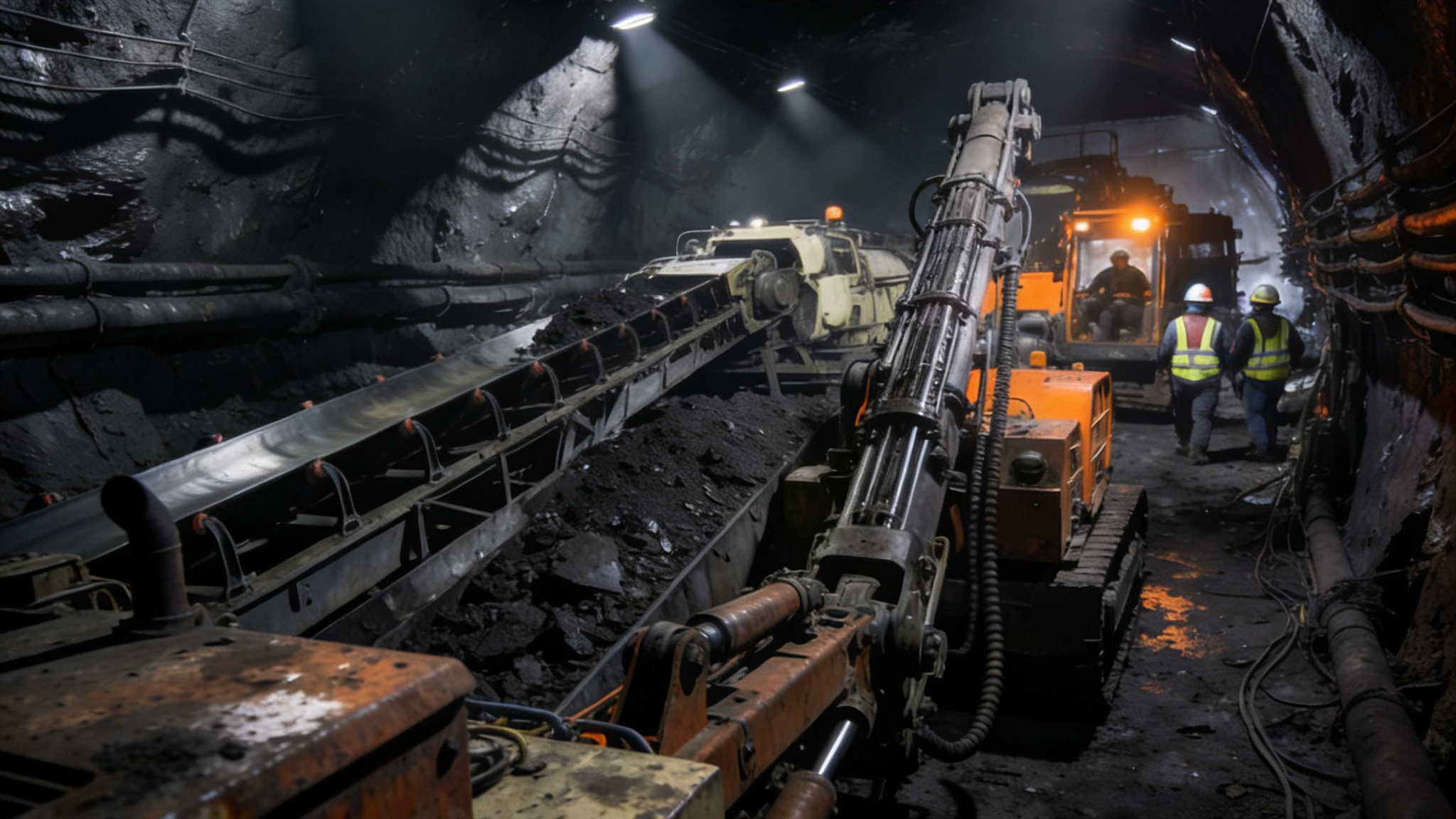
A devastating gas explosion at the Liushenyu coal mine in Qinyuan, Shanxi province, has claimed 90 lives, making it one of China's deadliest mining accidents in recent years. The blast occurred while 247 workers were underground, with rescue teams successfully bringing over 200 workers safely to the surface before the full scope of casualties became clear.
Chinese President Xi Jinping has ordered comprehensive rescue operations and a thorough investigation into the incident, demanding strict accountability from those responsible. State media initially reported only eight fatalities when news of the explosion first broke, but the death toll climbed dramatically as rescue efforts continued and the extent of the disaster became apparent.
The tragedy highlights ongoing safety challenges in China's coal mining sector, despite significant improvements implemented since the early 2000s. Shanxi province, known as China's coal heartland, produces roughly one-quarter of the country's coal output and has historically grappled with mining safety issues due to the complexity of underground operations and geological conditions.
China's coal industry has invested billions in safety upgrades over the past two decades, reducing annual mining fatalities from over 6,000 in 2002 to fewer than 400 in recent years. However, gas explosions remain a persistent risk in deep mines where methane can accumulate in poorly ventilated areas, creating explosive conditions that can be triggered by equipment sparks or other ignition sources.
Mining disasters of this magnitude typically prompt immediate government safety inspections across coal facilities, potentially disrupting production schedules in the short term. China accounts for approximately 50% of global coal production, making supply disruptions in key mining regions a factor for international energy markets and related currency movements.
The incident could accelerate China's transition toward renewable energy sources and impact demand patterns for alternative energy commodities. Increased safety regulations often result in higher operational costs for mining companies, which can influence coal pricing and create ripple effects across energy-dependent industries and their associated currencies.
Commodity markets tend to react swiftly to supply-side concerns, particularly when they involve critical resources like coal. The Chinese yuan and commodity-linked currencies such as the Australian dollar often experience volatility when major supply disruptions emerge from China's industrial sector.
Events like industrial accidents create sudden shifts in commodity markets that require sophisticated risk management approaches. Traditional trading strategies may struggle to adapt quickly enough to news-driven volatility, especially when incidents affect supply chains across multiple markets simultaneously.
Growth One's algorithmic trading platform addresses these challenges through systematic monitoring of commodity-currency relationships, particularly in metals markets where supply disruptions can create immediate price movements. The system's three-stage validation process ensures that responses to market events are based on proven patterns rather than reactive speculation, while real-time risk management protocols adjust exposure levels when volatility spikes occur across interconnected markets.
.svg)

