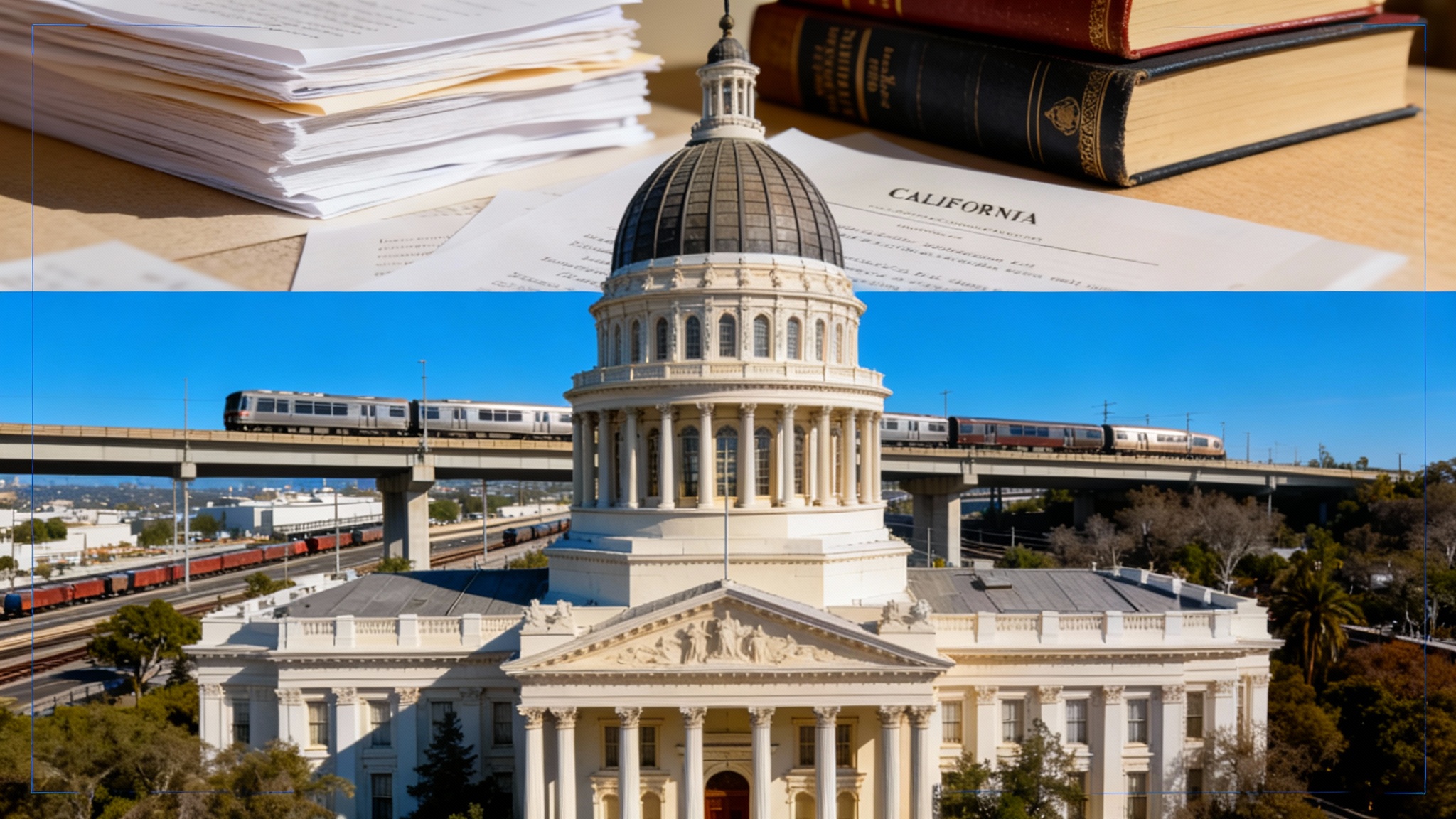
California filed a federal lawsuit on December 12, 2025, against the Trump administration, targeting Transportation Secretary Sean Duffy and the Federal Motor Carrier Safety Administration over the suspension of critical transportation funding. The legal action challenges the administration's decision to withhold more than $33 million in federal transportation grants, which were terminated due to alleged non-compliance with English proficiency standards for commercial truck drivers.
The funding dispute centers on federal requirements mandating that commercial drivers demonstrate sufficient English language skills to operate safely on interstate highways. The Trump administration argues that California's current testing and certification standards fall short of federal compliance thresholds, particularly regarding foreign-born truck drivers who obtain commercial licenses within the state.
California officials maintain their driver certification programs align fully with existing federal transportation safety regulations. The state's Department of Motor Vehicles has implemented standardized testing procedures that evaluate both written comprehension and verbal communication skills required for commercial driving operations.
The lawsuit reflects broader policy tensions surrounding immigration and workforce requirements in the transportation sector. The administration recently suspended worker visa programs for commercial truck drivers, citing safety concerns related to English proficiency standards across multiple states.
The funding suspension creates immediate operational challenges for California's transportation infrastructure projects, potentially affecting supply chain efficiency along the West Coast corridor. Commercial trucking operations face regulatory uncertainty as compliance standards remain disputed, which could impact freight movement between major ports and distribution centers.
Transportation sector volatility often translates to currency market movements, particularly affecting the dollar against trading partners dependent on U.S. freight capacity. Supply chain disruptions historically correlate with increased precious metals demand as investors seek stability during infrastructure uncertainties.
The legal dispute introduces regulatory risk premiums across transportation-dependent sectors. Market participants monitor these developments for potential impacts on trade flows, particularly given California's role as a gateway for Pacific trade routes that influence broader economic indicators.
Regulatory disputes like California's transportation funding lawsuit create market conditions where traditional correlation patterns between currencies and commodities can shift unexpectedly. When policy uncertainty affects major economic corridors, algorithmic trading systems must distinguish between temporary regulatory noise and fundamental changes in economic relationships.
Growth One's algorithmic trading platform addresses these scenarios through its multi-stage validation process that includes analysis of policy-driven market disruptions. The system monitors how regulatory changes affect currency pairs and precious metals markets, particularly when infrastructure disputes impact trade flows. Rather than relying on fixed rules, the platform adapts to changing correlations between dollar strength and metals prices during periods of domestic policy uncertainty, ensuring strategies remain effective when standard market relationships become unreliable.
.svg)

