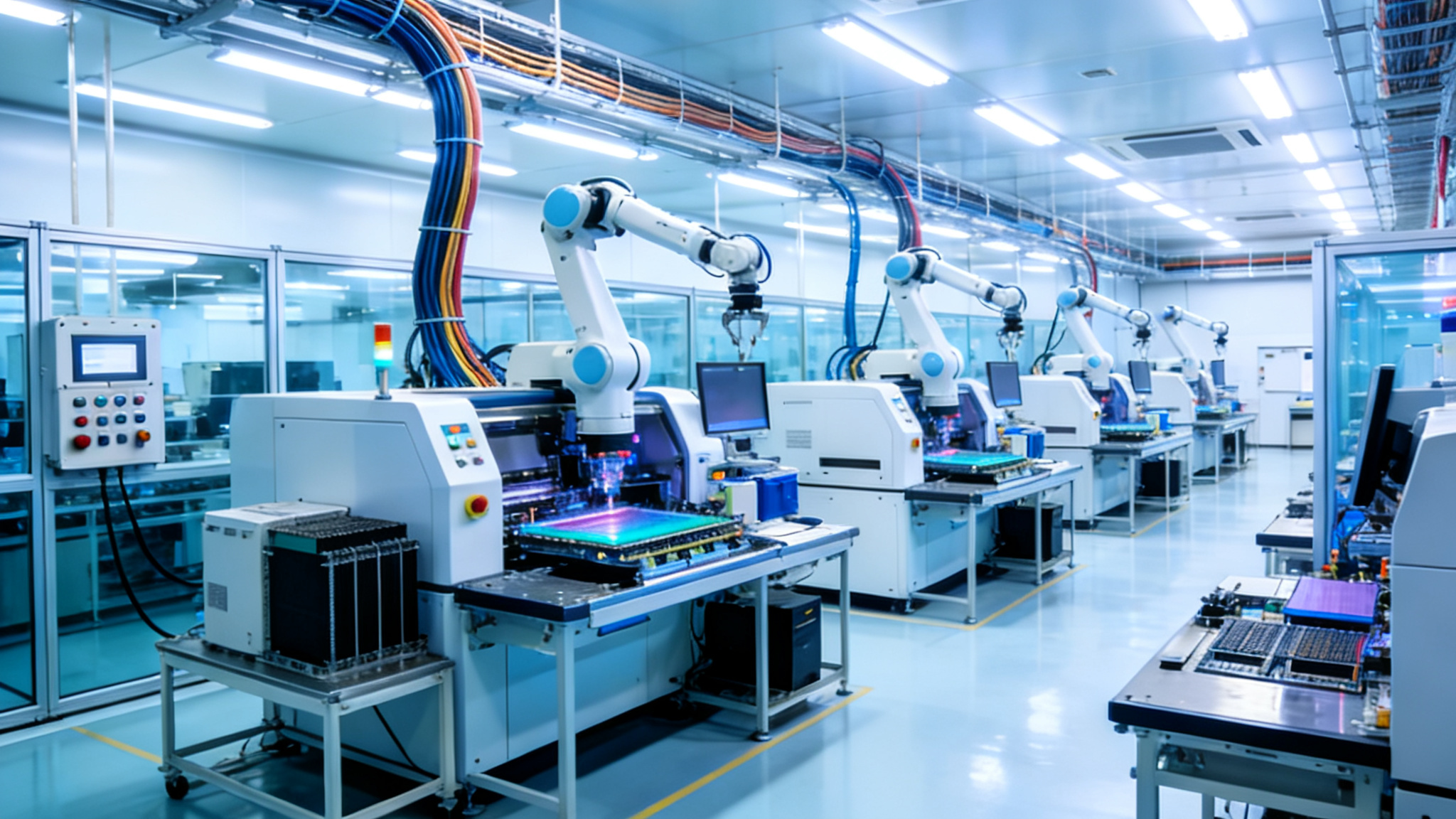
Applied Materials announced plans to expand its Southeast Asia workforce by 25 percent in 2025, adding roughly 1,000 employees to support growing manufacturing and research operations across the region. The expansion centers on Singapore, which serves as the company's primary hub for semiconductor equipment manufacturing and development in Asia.
The California-based company has already demonstrated significant growth momentum in the region. Its Southeast Asia workforce expanded from approximately 3,300 employees two years ago to nearly 4,000 by the end of 2024, representing a 21 percent increase over the period. The planned addition of 1,000 workers would bring total regional employment to around 5,000 by year-end.
Singapore's strategic importance to Applied Materials reflects broader industry trends toward regional diversification in semiconductor supply chains. The city-state hosts critical manufacturing facilities and research centers that support the company's global operations. Applied Materials specializes in equipment used to manufacture semiconductors, display panels, and solar products.
The expansion comes as semiconductor companies worldwide face pressure to establish more resilient supply chains following recent global disruptions. Southeast Asia has emerged as a key region for both manufacturing and research and development activities, offering skilled workforces and supportive government policies.
Applied Materials' workforce expansion signals confidence in Southeast Asia's semiconductor ecosystem and reflects the region's growing importance in global technology supply chains. The move aligns with broader industry trends as companies seek to reduce geographic concentration risks while capitalizing on local talent pools and infrastructure investments.
For currency markets, sustained foreign direct investment flows into Southeast Asian economies support regional currency stability and growth prospects. The Singapore dollar has benefited from such technology sector investments, which bring both immediate capital inflows and longer-term economic development. These investments often correlate with increased demand for regional currencies as companies establish local operations.
The semiconductor industry's expansion also has implications for precious metals markets, particularly given the sector's significant consumption of gold and silver in manufacturing processes. Increased production capacity in the region could influence demand patterns for these industrial metals, creating opportunities for traders who monitor cross-sector relationships.
Corporate expansion announcements like Applied Materials' workforce growth create ripple effects across currency markets that systematic trading approaches can identify and capitalize on. Growth One's algorithmic trading platform monitors these industrial investment flows and their impact on regional currency pairs, particularly those involving the Singapore dollar and other Southeast Asian currencies.
The platform's dual focus on Forex and metals markets proves especially relevant for semiconductor-related developments, as increased regional production often drives both currency appreciation and metals demand. Growth One's three-stage validation process ensures that strategies account for both immediate market reactions and longer-term structural changes in regional economic fundamentals. The system's multi-timeframe analysis distinguishes between short-term announcement effects and sustained investment flows that create lasting currency trends.
.svg)

