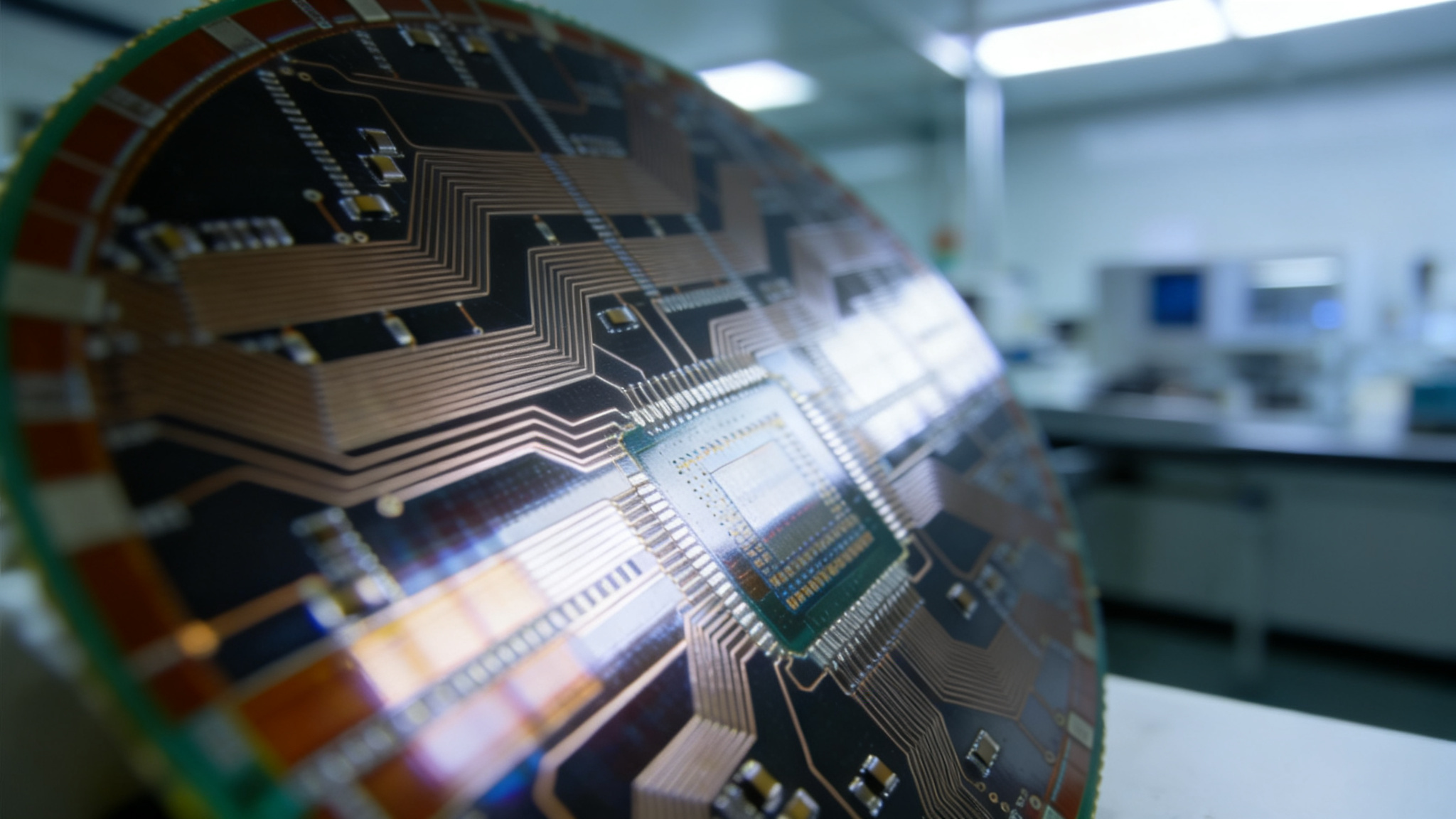
Applied Materials is attracting renewed analyst attention as the memory semiconductor market shows signs of recovery, driven largely by artificial intelligence applications requiring advanced memory technologies. The company holds a dominant 20% share of the global Wafer Fab Equipment market and is positioned to benefit from an anticipated surge in memory spending as AI workloads demand higher-performance memory solutions.
Recent SWOT analysis reveals Applied Materials' strong market position in critical semiconductor manufacturing equipment, with analysts projecting substantial revenue growth totaling $44 billion over the next three years. The optimism stems from increasing demand for advanced memory technologies, particularly High Bandwidth Memory (HBM), where Applied Materials maintains strong positions in DRAM manufacturing equipment and emerging memory technologies.
However, the company faces significant regulatory challenges that could impact near-term performance. Trade restrictions with China are expected to reduce revenues by $110 million in the current quarter, with potential impacts reaching $600 million over fiscal year 2026. These geopolitical headwinds come at a time when the company is also managing restructuring costs, creating a complex operating environment despite the underlying market recovery.
Analysts have issued varied price targets for Applied Materials stock, reflecting both optimism about the memory market's long-term trajectory and caution regarding short-term regulatory impacts. The semiconductor equipment sector has historically been cyclical, and Applied Materials' current position reflects this duality between technological opportunity and geopolitical risk.
The memory chip market recovery represents a broader shift in semiconductor demand patterns, with AI applications driving unprecedented requirements for high-speed, high-capacity memory solutions. This technological evolution creates both opportunities and risks for market participants, as companies with established positions in advanced memory manufacturing stand to benefit significantly from the transition.
Applied Materials' situation illustrates the complex interplay between technological advancement and geopolitical factors in global technology markets. The company's ability to maintain its market leadership while navigating regulatory constraints will likely influence broader semiconductor sector performance and related currency movements, particularly the US dollar's strength relative to Asian currencies where much semiconductor manufacturing occurs.
Market volatility in technology stocks often spills over into currency markets, especially USD/JPY and USD/KRW pairs, as investor sentiment toward technology sector prospects influences broader risk appetite. The semiconductor industry's capital-intensive nature and global supply chain dependencies make it particularly sensitive to both policy changes and macroeconomic conditions.
Technology sector developments like Applied Materials' market positioning create ripple effects across multiple asset classes, from currencies to precious metals. When semiconductor companies face regulatory uncertainty, investors often seek safe-haven assets, potentially strengthening gold and silver prices while affecting currency correlations between major trading pairs.
Growth One's algorithmic trading systems are designed to capture these cross-market relationships as they develop. The platform's focus on Forex and Metal markets allows it to identify opportunities when technology sector volatility creates temporary dislocations in traditional currency correlations. During periods of semiconductor sector uncertainty, the system monitors how dollar strength against Asian currencies might affect precious metals demand, particularly as investors hedge against technology sector risks. The three-stage validation process ensures strategies perform reliably across different market regimes, from technology boom periods to regulatory-driven volatility phases.
.svg)

