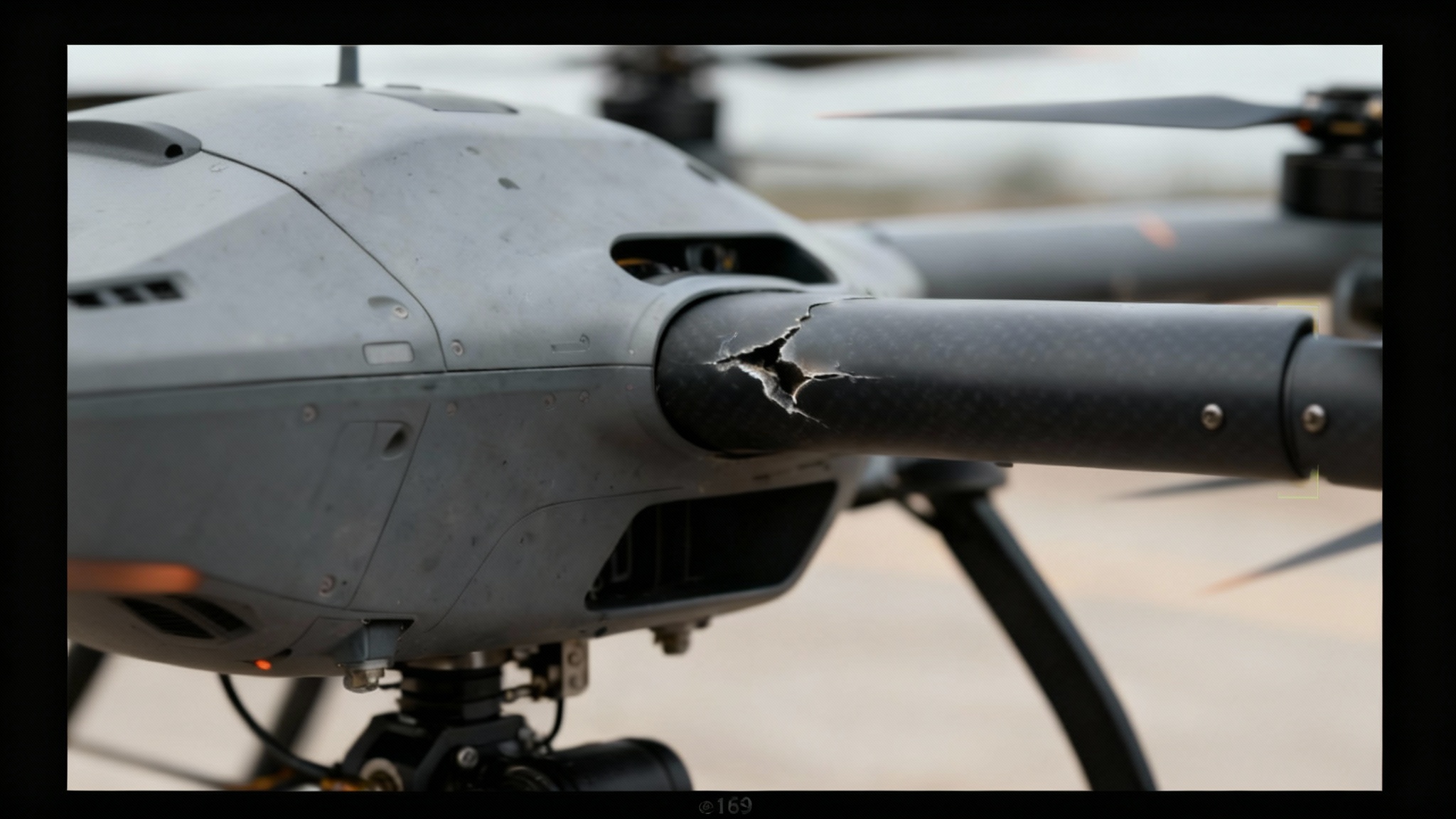
Anduril Industries experienced setbacks this week when two of its Altius surveillance drones crashed during U.S. Air Force testing operations. The failures occurred despite the company's position as a leading defense technology contractor with a valuation of $30.5 billion and significant Pentagon backing for its autonomous systems development.
The Altius drone, designed for both reconnaissance and munitions delivery, has been deployed in Ukraine as part of ongoing military support efforts. However, performance reports from the battlefield have been inconsistent, with documented failures occurring in both controlled testing environments and active combat conditions. The crashes add to mounting concerns about the reliability of advanced drone systems under operational stress.
Beyond the Altius program, Anduril's Ghost drone initiative has encountered similar challenges, particularly when operating in electronic warfare environments common in the Ukraine conflict. These difficulties highlight the complex technical hurdles facing defense contractors as they attempt to transition cutting-edge technology from laboratory conditions to real-world military applications.
Despite the setbacks, Anduril maintains substantial government support through recent Pentagon contracts and international client agreements. The company has characterized the test failures as integral to the development process, emphasizing its commitment to iterative improvement and system refinement before full-scale deployment.
The drone failures underscore broader challenges facing the defense technology sector as it races to deliver autonomous systems for modern warfare. Military contracts often involve complex performance requirements that push technology boundaries, creating inherent risks of system failures during development phases. For investors and market participants, these setbacks highlight the volatility inherent in defense technology valuations.
Currency markets may experience indirect effects as defense spending patterns shift between domestic and international suppliers. The U.S. dollar's strength in defense procurement creates ripple effects across global military supply chains, particularly as allied nations evaluate technology reliability against cost considerations. These dynamics influence broader macroeconomic trends in defense-related sectors.
The situation also demonstrates how geopolitical events directly impact technology development timelines. Companies face pressure to accelerate deployment schedules while maintaining quality standards, creating tension between market expectations and operational reality.
Defense technology setbacks like Anduril's create market uncertainty that requires disciplined trading approaches. When major defense contractors face performance challenges, the resulting volatility often extends beyond individual company valuations to affect broader sector confidence and related currency movements.
Growth One's algorithmic trading systems are designed to navigate exactly these types of unpredictable market events. The platform's three-stage validation process ensures strategies remain effective during periods of heightened uncertainty, while its focus on Forex and Metal markets provides exposure to the macroeconomic shifts that often accompany defense sector volatility. Explore how Growth One's systematic approach adapts to geopolitical market dynamics.
.svg)

